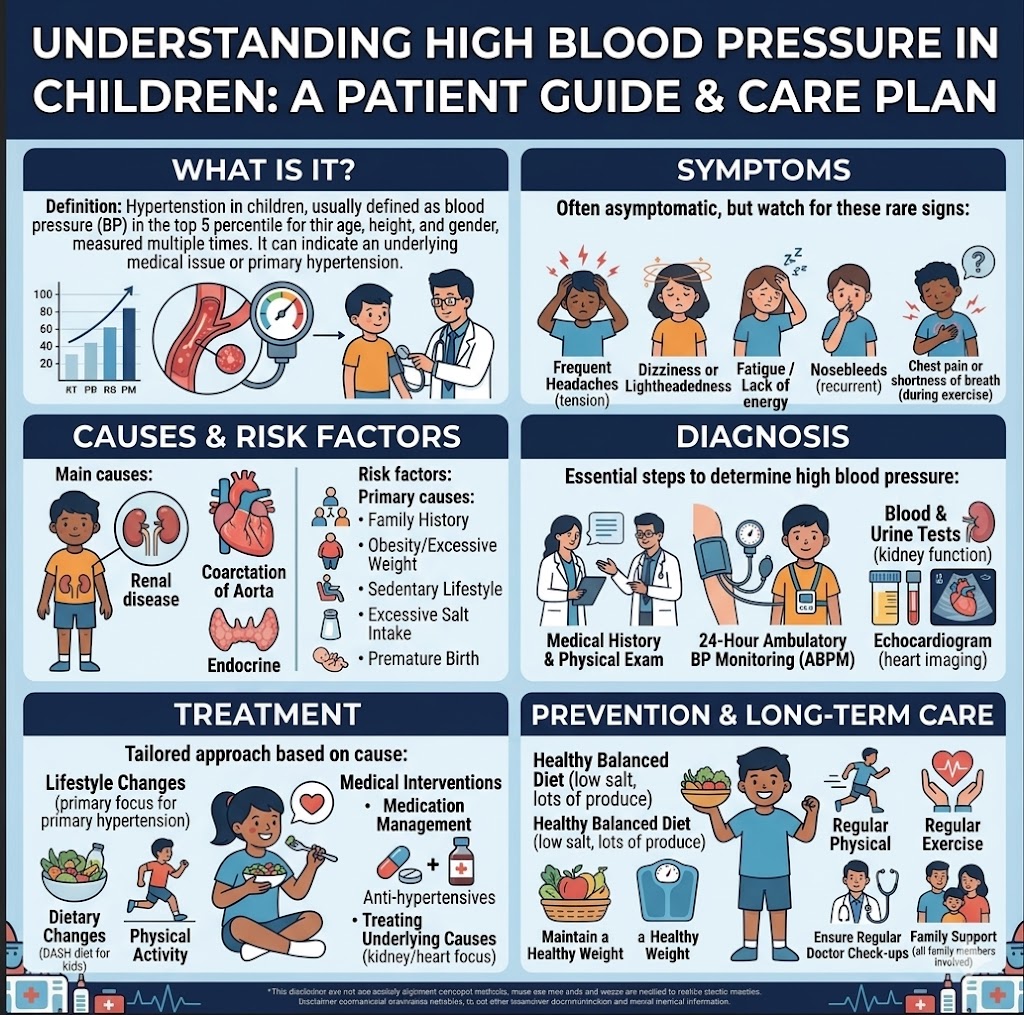
High blood pressure in children, also known as pediatric hypertension, means that a child's blood pressure is consistently higher than what is considered normal for their age, sex, and height. For teenagers, this is typically defined as blood pressure at or above 130/80 millimeters of mercury (mmHg), similar to adults. For younger children, normal blood pressure ranges change as they grow, making the definition more specific to their individual growth patterns. While high blood pressure often doesn't cause noticeable symptoms, severe cases can lead to serious health issues. In younger children, it's frequently linked to specific medical conditions like kidney or heart problems. Older children, especially those who are overweight, may develop it due to lifestyle factors similar to adults, such as poor diet and lack of exercise. Early detection and management, often involving lifestyle changes and sometimes medication, are crucial to prevent long-term health complications.
Understanding the Condition
High Blood Pressure in Children (Pediatric Hypertension)
Understanding the Condition
High blood pressure in children, also known as pediatric hypertension, means that a child's blood pressure is consistently higher than what is considered normal for their age, sex, and height. For teenagers, this is typically defined as blood pressure at or above 130/80 millimeters of mercury (mmHg), similar to adults. For younger children, normal blood pressure ranges change as they grow, making the definition more specific to their individual growth patterns. While high blood pressure often doesn't cause noticeable symptoms, severe cases can lead to serious health issues. In younger children, it's frequently linked to specific medical conditions like kidney or heart problems. Older children, especially those who are overweight, may develop it due to lifestyle factors similar to adults, such as poor diet and lack of exercise. Early detection and management, often involving lifestyle changes and sometimes medication, are crucial to prevent long-term health complications.
Common Symptoms
Usually No Symptoms: High blood pressure typically doesn't cause any noticeable signs or symptoms, which is why regular blood pressure checks are so important for children.
Signs of a Blood Pressure Emergency: In rare, severe cases, extremely high blood pressure can cause immediate, serious symptoms requiring emergency medical care. These may include severe headache, seizures, vomiting, chest pain, heart palpitations (a fluttering or pounding heart), vision changes, or difficulty breathing.
Consultation Guide
Which Specialist to Meet
Ongoing Communication with Healthcare Team: Maintain open communication with your child's doctor, reporting any new symptoms, medication side effects, or concerns promptly.
Consultation Guide
Your child's primary care pediatrician is the first point of contact. If high blood pressure is diagnosed, they may refer your child to specialists such as a pediatric nephrologist (a kidney specialist for children), a pediatric cardiologist (a heart specialist for children), or an endocrinologist (a specialist in hormone-related conditions) to identify and treat underlying causes.
Preparations Before Your Visit
A CBC is a common blood test that provides information about the different types of cells in the blood (red blood cells, white blood cells, and platelets). It can help assess overall health and identify conditions like anemia, infection, or other blood disorders that might be linked to or indicate an underlying cause of high blood pressure.
A urinalysis is a test of a urine sample. It's used to detect and manage a wide range of conditions, including urinary tract infections, kidney disease, or diabetes, which can sometimes be underlying causes or contributors to high blood pressure.
Specific Medical Interventions: If the high blood pressure is caused by another health condition (e.g., kidney disease, a heart defect, or a hormonal disorder), treating that specific condition directly is essential. This might involve medications, therapies, or surgical procedures aimed at resolving the root cause. (Duration: Varies widely depending on the condition; could be short-term treatment or ongoing management)
Diagnostic Procedures
Blood Pressure Measurement
This is the primary way to check for high blood pressure. It involves using an inflatable cuff around the child's arm to measure the pressure of blood against the artery walls.
What to Expect
Your child will sit quietly with their arm supported at heart level. A healthcare professional will place a blood pressure cuff, appropriately sized for your child's arm, around their upper arm. The cuff will inflate and then slowly deflate. This might feel like a gentle squeeze. Multiple readings are often taken at different appointments to confirm a diagnosis.
Complete Blood Count (CBC)
What to Expect
A small amount of blood will be drawn from a vein, usually in your child's arm. The healthcare professional will clean the skin, apply a tourniquet (a band to make veins more visible), and then insert a small needle. Your child may feel a quick pinch or sting. The sample is then sent to a lab for analysis. The procedure is usually quick.
What to Expect
Your child will need to provide a urine sample, often a 'clean catch' sample to ensure it's free of contaminants. For this, the genital area is cleaned before urinating into a sterile cup. For infants or very young children, a special collection bag may be used. The sample is then analyzed in a laboratory for its appearance, concentration, and content (such as protein, sugar, or blood cells).
An echocardiogram is an ultrasound of the heart. It uses sound waves to create moving pictures of the heart's chambers, valves, and blood flow. This test helps doctors assess the heart's structure and function and can identify any heart conditions that might be contributing to high blood pressure.
What to Expect
Your child will lie on an examination table. A special gel will be applied to their chest, and a handheld device called a transducer will be gently moved over the skin. This device sends and receives sound waves to create images on a monitor. Sensors may also be attached to the chest to monitor heart rhythm. The test is painless, though the gel might feel cool, and typically takes 30 to 60 minutes.
A kidney ultrasound uses sound waves to create images of the kidneys. It helps doctors visualize the size, shape, and structure of the kidneys and can detect abnormalities or conditions like blockages or cysts that might be causing or related to high blood pressure.
What to Expect
Your child will lie on an examination table, typically on their back or side. A special gel will be applied to the skin over their abdomen and back, where the kidneys are located. A handheld device (transducer) will be gently moved over the skin to capture images. The procedure is painless, though there might be a slight pressure from the transducer, and usually takes about 20-30 minutes. In some cases, your child may be asked to have a full bladder for better imaging.
Consistent Medical Follow-ups: For children diagnosed with high blood pressure, regular follow-up visits with their healthcare provider are crucial to monitor blood pressure levels, assess treatment effectiveness, and adjust management plans as needed.
Treatment Options
Before the visit, gather your child's complete medical history, including any past illnesses or surgeries. Make a list of all medications, vitamins, and supplements your child is currently taking. Be prepared to discuss your child's typical diet, physical activity levels, and screen time. Having a record of your child’s past growth chart measurements and family medical history (especially regarding high blood pressure, heart disease, or kidney problems) can also be very helpful. Write down any questions you have for the doctor.
Book a doctor visit near me
Medications
Blood Pressure Lowering Medications: If lifestyle changes are not sufficient or if blood pressure is severely high, a doctor may prescribe medications to help lower it. These medicines work in various ways, such as relaxing blood vessels or helping the body get rid of excess fluid. (Duration: Daily, potentially long-term, adjusted as needed by a doctor)
Treatment of Underlying Conditions
Prevention & Long-Term Wellbeing
Lifestyle Changes
Heart-Healthy Diet: Focus on a balanced diet rich in fruits, vegetables, whole grains, lean proteins, and low-fat dairy. Significantly reduce intake of processed foods, sugary drinks, and foods high in saturated and trans fats. Limiting sodium (salt) is especially important. (Duration: Ongoing, lifelong commitment)
Regular Physical Activity: Encourage at least 60 minutes of moderate to vigorous physical activity most days of the week. This can include playing sports, brisk walking, cycling, or swimming. (Duration: Ongoing, daily practice)
Achieve and Maintain a Healthy Weight: If your child is overweight or obese, working with a healthcare provider to achieve a healthy weight through diet and exercise can significantly help reduce blood pressure. (Duration: Ongoing, until healthy weight is achieved and maintained)
Limit Screen Time: Reduce sedentary time spent in front of screens (TV, computers, tablets, smartphones) to promote more active play and better overall health. (Duration: Ongoing, daily practice)
Prevention
Healthy Eating Habits: Start early with a diet rich in fruits, vegetables, and whole grains. Limit processed foods, sugary drinks, and excessive sodium to prevent the development of high blood pressure.
Encourage Active Lifestyles: Promote regular physical activity and limit sedentary behaviors to maintain a healthy weight and support cardiovascular health from a young age.
Adequate Sleep: Ensure your child gets sufficient, good-quality sleep, as sleep deprivation can impact blood pressure and overall health.
Manage Stress: Help children develop healthy coping mechanisms for stress, as chronic stress can contribute to various health issues, including high blood pressure.
Long-Term Monitoring
Routine Blood Pressure Checks: Ensure your child receives regular blood pressure checks during routine well-child appointments, starting at age 3. This allows for early detection and intervention if issues arise.
Tags & Topics
Notice an error or need an update?
Help us keep medical information accurate. Report incorrect info or suggest an edit.

