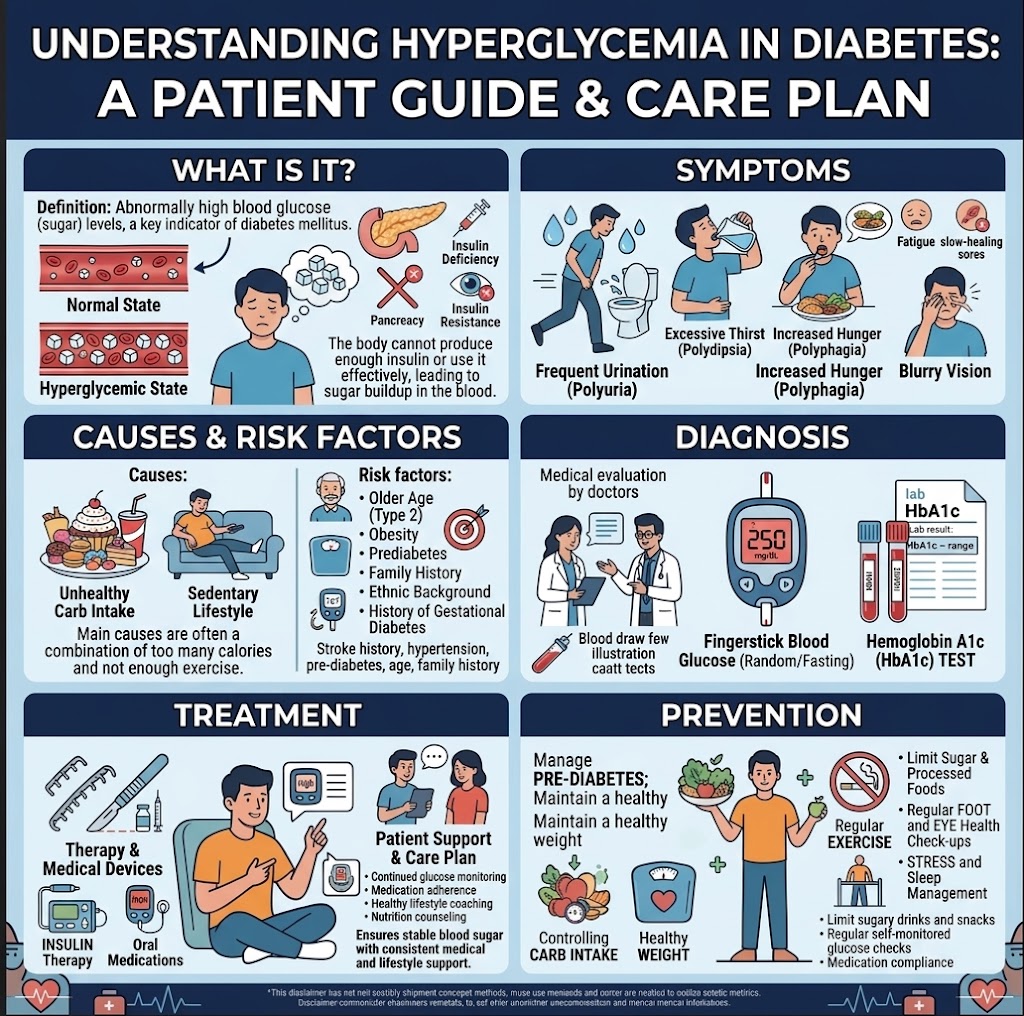
High blood sugar, medically known as hyperglycemia, is a common condition affecting individuals with diabetes. It occurs when there's too much sugar (glucose) in the bloodstream because the body either doesn't produce enough insulin, or doesn't use insulin effectively. Insulin is a vital hormone made by the pancreas that acts like a key, unlocking cells to allow glucose to enter and be used for energy. Without enough insulin or proper insulin action, glucose builds up in the blood instead of going into the cells where it's needed.Several factors can lead to hyperglycemia, including diet, physical activity levels, illnesses, certain medications unrelated to diabetes, or not taking enough diabetes medication, such as insulin. Untreated hyperglycemia can become severe and lead to serious, life-threatening emergencies like diabetic coma. Even less severe, persistent high blood sugar can cause long-term damage to eyes, kidneys, nerves, and the heart over time.
Understanding the Condition
Understanding High Blood Sugar (Hyperglycemia) in Diabetes
Understanding the Condition
Common Symptoms
Early Symptoms: Hyperglycemia often doesn't show symptoms until blood sugar levels are quite high, typically above 180 to 200 milligrams per deciliter (mg/dL). Symptoms tend to develop slowly over several days or weeks and can worsen the longer blood sugar remains elevated. However, some people, especially those with long-standing type 2 diabetes, might not experience noticeable symptoms despite high blood sugar levels. Watch for:* **Increased thirst:** Feeling unusually thirsty, even after drinking.* **Frequent urination:** Needing to go to the bathroom more often than usual, particularly at night.* **Blurred vision:** Vision that appears hazy or unclear.* **Fatigue:** Feeling unusually tired or lacking energy.* **Headache:** A persistent dull ache in the head.
Severe Symptoms (Ketoacidosis): If hyperglycemia is not treated, it can lead to a dangerous condition called ketoacidosis, where harmful acids called ketones build up in the blood and urine. This requires emergency care. Symptoms include:* **Fruity-smelling breath:** A distinct sweet, fruity odor on the breath.* **Nausea and vomiting:** Feeling sick to your stomach and throwing up.* **Shortness of breath:** Difficulty breathing or rapid, deep breathing.* **Dry mouth:** A feeling of extreme dryness in the mouth.* **Weakness:** General body weakness or muscle fatigue.* **Confusion:** Feeling disoriented or having trouble thinking clearly.* **Abdominal pain:** Discomfort or pain in the stomach area.
Consultation Guide
Which Specialist to Meet
Before your visit, it's helpful to:* **Keep a symptom log:** Note down any symptoms you've experienced, when they started, and how often they occur.* **List all medications:** Include all prescription drugs, over-the-counter medicines, vitamins, and supplements you are taking.* **Prepare questions:** Write down any questions or concerns you have about your condition or treatment.* **Check fasting requirements:** Ask if you need to fast (not eat or drink anything other than water) before your appointment for any blood tests.
Book a doctor visit near me
These tests measure the amount of sugar (glucose) in your blood at a specific moment. They are crucial for diagnosing diabetes and monitoring blood sugar levels.* **Fasting Plasma Glucose (FPG) Test:** Measures your blood sugar after you've fasted (not eaten or drunk anything except water) for at least 8 hours.* **Random Plasma Glucose (RPG) Test:** Measures your blood sugar at any time, regardless of when you last ate. This is often used for quick checks or when symptoms are present.* **Oral Glucose Tolerance Test (OGTT):** Measures your blood sugar before and after you drink a sugary liquid. It's typically done two hours after consuming the drink and helps diagnose gestational diabetes or prediabetes.
Know Your Symptoms: Be aware of both early and severe symptoms of hyperglycemia and ketoacidosis so you can seek prompt medical attention.
Avoid Illness Triggers: Take preventive measures like getting recommended vaccinations (e.g., flu shot) and practicing good hygiene to minimize illness, which can elevate blood sugar.
Consultation Guide
High blood sugar, medically known as hyperglycemia, is a common condition affecting individuals with diabetes. It occurs when there's too much sugar (glucose) in the bloodstream because the body either doesn't produce enough insulin, or doesn't use insulin effectively. Insulin is a vital hormone made by the pancreas that acts like a key, unlocking cells to allow glucose to enter and be used for energy. Without enough insulin or proper insulin action, glucose builds up in the blood instead of going into the cells where it's needed.Several factors can lead to hyperglycemia, including diet, physical activity levels, illnesses, certain medications unrelated to diabetes, or not taking enough diabetes medication, such as insulin. Untreated hyperglycemia can become severe and lead to serious, life-threatening emergencies like diabetic coma. Even less severe, persistent high blood sugar can cause long-term damage to eyes, kidneys, nerves, and the heart over time.
For a fasting blood glucose test, you will be asked not to eat or drink anything (except water) for 8 to 12 hours before the test. For a random test, no special preparation is needed. For an oral glucose tolerance test, you will fast overnight, then have your blood drawn. You'll then drink a special sugary solution, and your blood will be drawn again at specific intervals (usually 1 or 2 hours later). All these tests involve a simple blood draw from a vein, typically in your arm, which causes a brief pinch or sting.
Diagnostic Procedures
You should start by consulting your primary care doctor. They can diagnose hyperglycemia and help manage your diabetes. Depending on your needs, your doctor may refer you to an endocrinologist (a specialist in hormone-related conditions, including diabetes), a certified diabetes educator (who provides practical guidance on managing diabetes), or a registered dietitian (who can help with meal planning).
Preparations Before Your Visit
What to Expect
A1C Test (Glycated Hemoglobin)
The A1C test provides an average of your blood sugar levels over the past 2 to 3 months. It measures the percentage of hemoglobin (a protein in red blood cells that carries oxygen) that is coated with sugar. A higher A1C percentage indicates higher average blood sugar levels, poorer blood sugar management, and a greater risk of diabetes-related health problems. It's a standard test for diagnosing diabetes, identifying prediabetes, and monitoring how well diabetes is being managed over time.
What to Expect
The A1C test is a routine blood test and typically does not require any special preparation, such as fasting. A healthcare professional will draw a small sample of blood from a vein, usually in your arm. The process is quick, typically lasting only a few minutes, and you might feel a slight pinch or sting.
Treatment Options
Blood Sugar Monitoring: Regularly checking blood sugar levels using a home glucose meter helps you understand how food, activity, and medication affect your levels and guide daily decisions. (Duration: Ongoing, multiple times daily for some)
Medications
Insulin Therapy: Administered via injections or an insulin pump, insulin replaces or supplements the body's natural insulin to help glucose enter cells and lower blood sugar. (Duration: Lifelong for many, adjusted as needed)
Oral Medications: Various pills work in different ways: some improve the body's sensitivity to insulin, others help the pancreas produce more insulin, or reduce the liver's glucose production, or slow sugar absorption from the gut. (Duration: Ongoing, adjusted as needed)
Other Injectable Medications: Non-insulin injectable medications can help manage blood sugar by stimulating insulin release, slowing digestion, or reducing liver glucose production. (Duration: Ongoing, adjusted as needed)
Ketoacidosis Treatment: Requires immediate hospital care to restore fluid balance with intravenous fluids, correct electrolyte imbalances, and administer insulin to lower blood sugar and stop ketone production. (Duration: Hours to days in acute care setting)
Adhere to Treatment Plan: Consistently follow your doctor's recommendations for medication, diet, and exercise to keep blood sugar levels stable.
Regular Medical Check-ups: Attend all scheduled appointments to monitor your condition, adjust treatment as needed, and screen for potential complications.
Monitor Blood Sugar Levels: Routinely check your blood sugar as advised by your healthcare provider and understand what your readings mean.
Prevention & Long-Term Wellbeing
Lifestyle Changes
Dietary Management: Following a healthy eating plan that balances carbohydrates, proteins, and fats, and limits sugary drinks and processed foods. This helps manage blood sugar levels and weight. (Duration: Ongoing)
Regular Physical Activity: Engaging in at least 150 minutes of moderate-intensity aerobic exercise per week, combined with strength training, helps improve insulin sensitivity and lower blood sugar. (Duration: Ongoing)
Prevention and Long-Term Management
Healthy Eating Habits: Prioritize a balanced diet with whole foods, controlled portion sizes, and consistent meal times to prevent sharp blood sugar spikes.
Consistent Exercise: Incorporate regular physical activity into your routine to improve insulin sensitivity and help manage weight.
Stay Hydrated: Drink plenty of water throughout the day to help your kidneys flush out excess sugar.
Manage Stress: Practice stress-reducing techniques, as stress can impact blood sugar levels. Techniques include meditation, yoga, or hobbies.
Tags & Topics
Notice an error or need an update?
Help us keep medical information accurate. Report incorrect info or suggest an edit.


