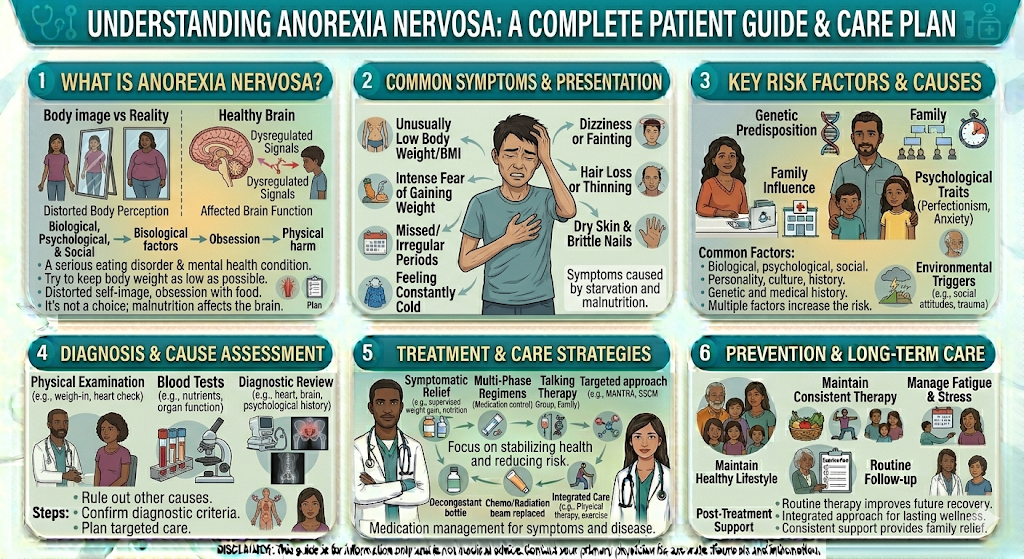
Anorexia nervosa is a serious, potentially life-threatening mental health condition and eating disorder characterized by an intense fear of gaining weight and a distorted perception of body shape. Individuals with this condition often maintain a body weight that is significantly lower than what is considered healthy for their age and height. This is not simply a lifestyle choice but a complex illness that causes changes in brain function due to severe malnutrition.
Understanding the Condition
Anorexia Nervosa: A Comprehensive Guide
Anorexia nervosa is a serious, potentially life-threatening mental health condition and eating disorder characterized by an intense fear of gaining weight and a distorted perception of body shape. Individuals with this condition often maintain a body weight that is significantly lower than what is considered healthy for their age and height. This is not simply a lifestyle choice but a complex illness that causes changes in brain function due to severe malnutrition.
The indicators of anorexia are both physical and behavioral. Physical signs often result from starvation and may include extreme weight loss, fatigue, dizziness, and fainting. Patients may experience thinning hair, dry skin, and the growth of soft, downy hair (lanugo) on the body.
Other physical symptoms include:
Irregular heart rhythms and low blood pressure.
Intolerance to cold and blue-tinged fingers.
Behavioral symptoms include severely restricting food intake, excessive exercising, and a preoccupation with calorie counting. Individuals may hide their weight loss under baggy clothes or avoid eating in social settings.
List all physical symptoms and when they began.
Note major life stressors or recent changes.
Book a doctor visit near me
Consultation Guide
The exact origins are unknown, but it likely results from a combination of factors:
Genetics: Specific genetic traits may predispose individuals to perfectionism and sensitivity.
Biological: Changes in brain chemistry can impact how one thinks about food and reward.
Risk Factors
Several factors can increase the likelihood of developing an eating disorder:
Family History: Having a close relative with an eating disorder increases personal risk.
Transitions: Major life changes, such as moving or a breakup, can cause emotional stress.
History of Bullying: Being teased about weight or body shape is a significant risk factor.
Anorexia can lead to severe health issues, including heart failure, kidney problems, and bone loss (osteoporosis). Severe malnutrition can damage every organ system. Mental health complications such as depression, anxiety, and suicidal thoughts are also common.
If you suspect an eating disorder, seek professional help immediately.
Primary care physician or pediatrician.
Psychiatrist or psychologist.
Diagnostic Procedures
Gastrointestinal issues like constipation and abdominal pain.
Reduced bone mass or stress fractures.
Complete Blood Count (CBC): Measures different cells in the blood to check for anemia or infection. What to expect: A quick blood draw from a vein in the arm.
Electrocardiogram (ECG): Records electrical signals to check for heart rhythm issues. What to expect: Sensors are attached to the chest and limbs while you lie still.
Liver Function Tests: Blood tests that measure enzymes and proteins to check for liver damage. What to expect: A routine blood sample collection.
Urinalysis: Tests urine content to check for dehydration or kidney health. What to expect: Providing a urine sample in a sterile cup.
Bone Density Test: Measures bone mineral content to detect osteoporosis. What to expect: A painless scan using low-dose X-rays while lying on a table.
X-ray: Captures images of internal structures to check for fractures or lung issues. What to expect: Remaining still while images are taken from different angles.
Disclaimer: This article provides general health information and is not intended to be a substitute for professional medical advice, diagnosis, or treatment. Always consult your treating physician or another qualified healthcare provider with any questions you may have regarding a medical condition.
To report an error in the article, please send an email to errors@medicalwriter.com.
Treatment Options
Home Care and Nutrition: Developing healthy eating habits and reaching a stable weight. Duration: Ongoing/Long-term.
Therapies: Psychotherapy (talk therapy) to address mental health and body image. Duration: Several months to years.
Medication: Managing associated conditions like depression or anxiety. Duration: As prescribed (often long-term).
Inpatient Care: Hospitalization for severe medical stabilization or nutritional rehabilitation. Duration: Weeks to several months.’
Prevention & Long-Term Wellbeing
Environmental: Modern culture and social media often emphasize thinness as an ideal, which can trigger strict dieting habits.
Registered dietitian.
Keep a record of eating habits and exercise routines.
Prevention
While there is no guaranteed way to prevent the disorder, certain strategies can significantly reduce risk:
Promoting a positive body image by teaching media literacy and challenging societal beauty standards.
Discouraging strict dieting, weight-based teasing, and restrictive eating behaviors.
Fostering open communication within families about emotional distress and self-esteem.
Early intervention is critical; healthcare providers should screen for subtle behavioral and physical changes during routine exams.
Achieving and maintaining long-term recovery requires ongoing commitment and support, moving beyond weight restoration to psychological health.
Relapse Prevention: Developing personalized strategies to identify triggers and cope with challenging situations, often in collaboration with a therapist.
Maintaining Support: Continuing regular check-ins with a multi-disciplinary team, including a therapist and registered dietitian, to ensure stable mental and physical health.
Developing Coping Skills: Learning healthy mechanisms for managing stress, anxiety, and negative emotions without resorting to disordered behaviors. This may involve mindfulness, journaling, or creative outlets.
Focusing on Non-Scale Measures: Shifting the focus of health away from body weight to non-physical markers such as energy levels, mental clarity, social engagement, and emotional stability.
Tags & Topics
Notice an error or need an update?
Help us keep medical information accurate. Report incorrect info or suggest an edit.


