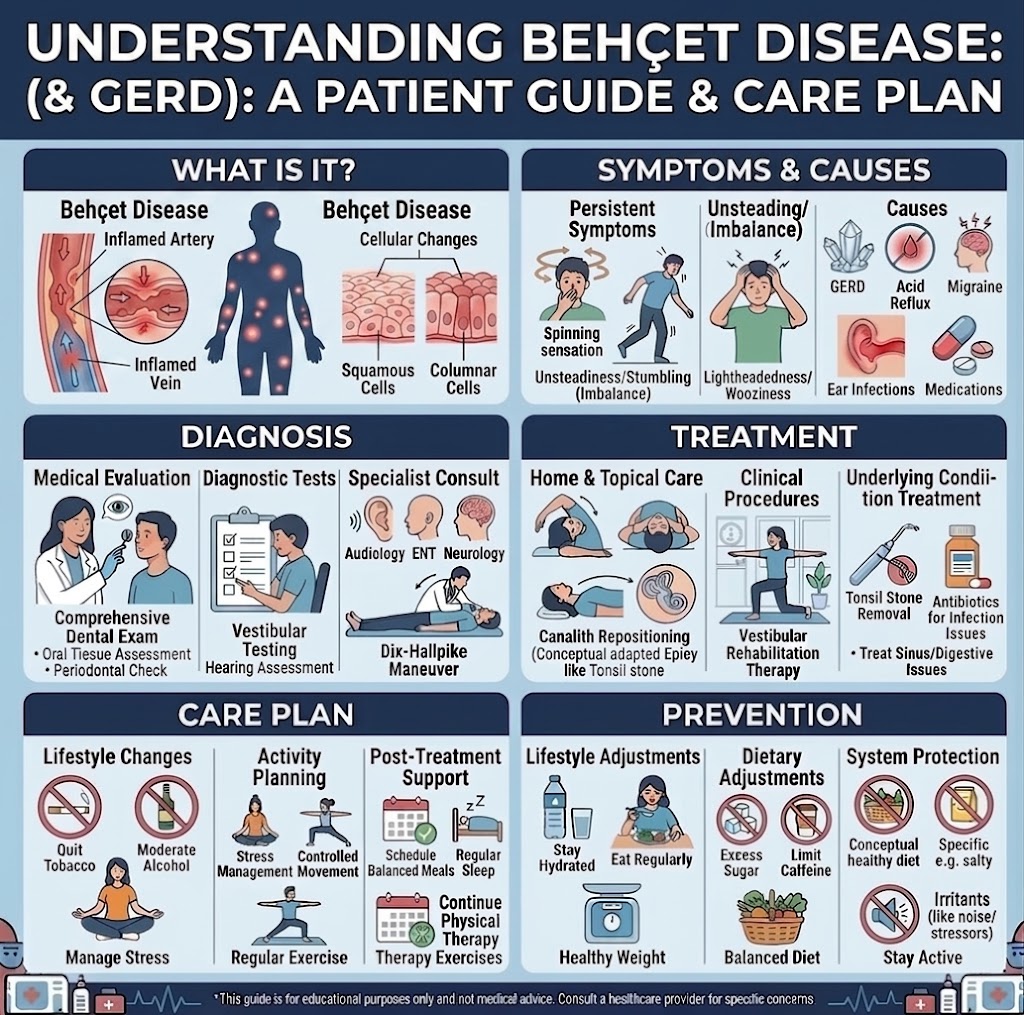
Behcet disease, also known as Behcet syndrome, is a rare condition causing widespread inflammation in blood vessels throughout the body. Its symptoms often appear unrelated, including painful mouth and genital sores, eye irritation and swelling, and various skin rashes. While there's no cure, treatment focuses on easing symptoms, preventing new flare-ups, and avoiding serious complications like vision loss, helping individuals manage this chronic condition effectively.
Understanding the Condition
Behcet Disease: Understanding a Rare Inflammatory Condition
Understanding the Condition
Behcet disease, also known as Behcet syndrome, is a rare condition causing widespread inflammation in blood vessels throughout the body. Its symptoms often appear unrelated, including painful mouth and genital sores, eye irritation and swelling, and various skin rashes. While there's no cure, treatment focuses on easing symptoms, preventing new flare-ups, and avoiding serious complications like vision loss, helping individuals manage this chronic condition effectively.
Common Symptoms
Mouth Sores: Common, painful ulcers resembling canker sores. These raised, round sores typically heal in 1-3 weeks but frequently return.
Skin Issues: Acne-like sores may appear on the body, or tender, raised bumps (nodules) can form, often on the lower legs. These can appear and disappear.
Genital Sores: Painful open sores can occur on the scrotum in males or the vulva in females. They can be uncomfortable and may leave scars once healed.
Eye Problems: Eye inflammation (uveitis) causes redness, pain, and blurred vision, often in both eyes. Untreated, severe inflammation can lead to vision loss. Symptoms come and go.
Joint Pain and Swelling: Swelling and pain in joints are common, most often affecting the knees, but also potentially the ankles, elbows, or wrists. Symptoms typically last 1-3 weeks and often resolve naturally.
Digestive System Issues: Symptoms affecting the digestive tract may include belly pain, diarrhea, and sometimes bleeding.
Initially, consult your primary care doctor, who may refer you to specialists like a rheumatologist (for inflammatory conditions), an ophthalmologist (for eye symptoms), a dermatologist (for skin), a gastroenterologist (for digestive issues), or a neurologist (for brain/nervous system issues).
Preparations Before Your Visit
List symptoms (onset, frequency, severity), your full medical history, all current medications/supplements, and any questions for your doctor. A detailed record helps guide diagnosis and treatment.
Book a doctor visit near me
There is no single test for Behcet disease; diagnosis relies on a doctor's assessment of your symptoms and medical history. Your doctor will review your symptoms, their frequency, and examine any visible sores or rashes.
The doctor will ask detailed questions about your health, past and present symptoms, family medical history, and lifestyle. They will perform a physical check-up, observing any lesions, sores, or signs of inflammation.
Immune-Suppressing Medications: These drugs calm your overactive immune system, reducing widespread inflammation and preventing severe symptoms. (Duration: Usually taken long-term to control the disease.)
Pain Relief: Over-the-counter pain relievers can help manage discomfort from sores or joint pain during flare-ups. (Duration: As needed for symptom relief.)
Good Oral Hygiene: Maintaining excellent oral hygiene helps prevent infections and soothes mouth sores. (Duration: Ongoing daily practice.)
Rest: Adequate rest, especially during flare-ups, helps your body cope with inflammation and recover. (Duration: During flare-ups and as part of overall healthy living.)
Consistent Medical Monitoring: Regular specialist appointments are crucial to track disease, adjust treatments, and detect complications early, especially for eye symptoms.
Symptom Tracking and Reporting: Keep a detailed symptom journal (onset, severity, duration, triggers) for your healthcare team.
Proactive Eye Care: Report any new eye symptoms (redness, pain, blurred vision) to your ophthalmologist immediately to preserve vision.
Consultation Guide
Blood Vessel Inflammation: Inflammation in veins and arteries can cause redness, pain, and potential blood clots, leading to swelling in a limb. In larger arteries, inflammation can cause weakened bulges (aneurysms) or narrowed/blocked vessels.
Brain and Nervous System Involvement: Brain or nervous system inflammation can cause headaches, fever, confusion, poor balance, or stroke – a serious but less common issue.
Consultation Guide
Which Specialist to Meet
Diagnostic Procedures
Physical Examination and Medical History Review
What to Expect
Not definitive for Behcet, but blood tests check for inflammation and rule out other conditions. May include inflammation or genetic markers like HLA-B51.
What to Expect
A small blood sample is drawn from a vein in your arm; a quick procedure.
A skin test to help diagnose Behcet, checking your skin's reaction to a minor puncture.
What to Expect
A healthcare provider will make a small, sterile prick on your forearm. The site is observed for 24-48 hours; a positive result shows a small, red bump or pus-filled spot.
Eye Examination (Slit-Lamp Exam)
An ophthalmologist performs this detailed eye exam to check for inflammation inside your eyes, particularly uveitis.
What to Expect
You sit with your chin and forehead on a rest while the doctor uses a slit lamp (a microscope with a bright light) to examine your eyes. Pupils may be dilated with drops, temporarily blurring vision and causing light sensitivity.
Imaging Scans (e.g., MRI, CT scans)
If internal organ involvement (brain, digestive system, large blood vessels) is suspected, MRI or CT scans provide detailed pictures.
What to Expect
You lie still in an MRI (magnets/radio waves) or CT (X-rays) machine. A contrast dye may be injected. Procedures are generally painless but can be noisy (MRI) or require stillness.
Treatment Options
Medications
Topical Treatments for Sores: Gels, creams, or mouth rinses applied directly to mouth and genital sores for pain relief and healing. (Duration: Applied as needed during flare-ups.)
Corticosteroids: Oral or injected anti-inflammatory drugs to quickly reduce severe inflammation. (Duration: Short-term for flares, or low-dose long-term, as determined by your doctor.)
Biologic Medications: Advanced drugs targeting specific immune parts, for severe cases or when other treatments fail. (Duration: Ongoing by injection or infusion, as prescribed.)
Eye Injections: Anti-inflammatory medications injected directly into the eye for severe inflammation to protect vision. (Duration: As needed, based on eye inflammation severity.)
Therapies
Physical Therapy: For joint involvement, a physical therapist can improve flexibility, reduce pain, and strengthen muscles through targeted exercises. (Duration: Variable, depending on individual needs.)
Surgical Procedures
Surgery for Vascular Complications: Rarely, surgery repairs blood vessel damage like aneurysms or severe blockages. (Duration: One-time procedure with a recovery period, followed by ongoing medical management.)
Supportive Care / Home Remedies
Adherence to Treatment Plan: Strictly follow prescribed medication to avoid flare-ups and complications.
Avoid Smoking: Quitting smoking is highly recommended as it worsens inflammatory conditions and reduces treatment effectiveness.
Emotional and Psychological Support: Seek support from family, friends, groups, or professionals to cope with chronic disease challenges.
Prevention & Long-Term Wellbeing
Long-Term Management and Prevention
Healthy Lifestyle Choices: Adopt a balanced diet, moderate exercise, adequate sleep, and stress management to support immune health and reduce flare-ups.
Tags & Topics
Notice an error or need an update?
Help us keep medical information accurate. Report incorrect info or suggest an edit.


