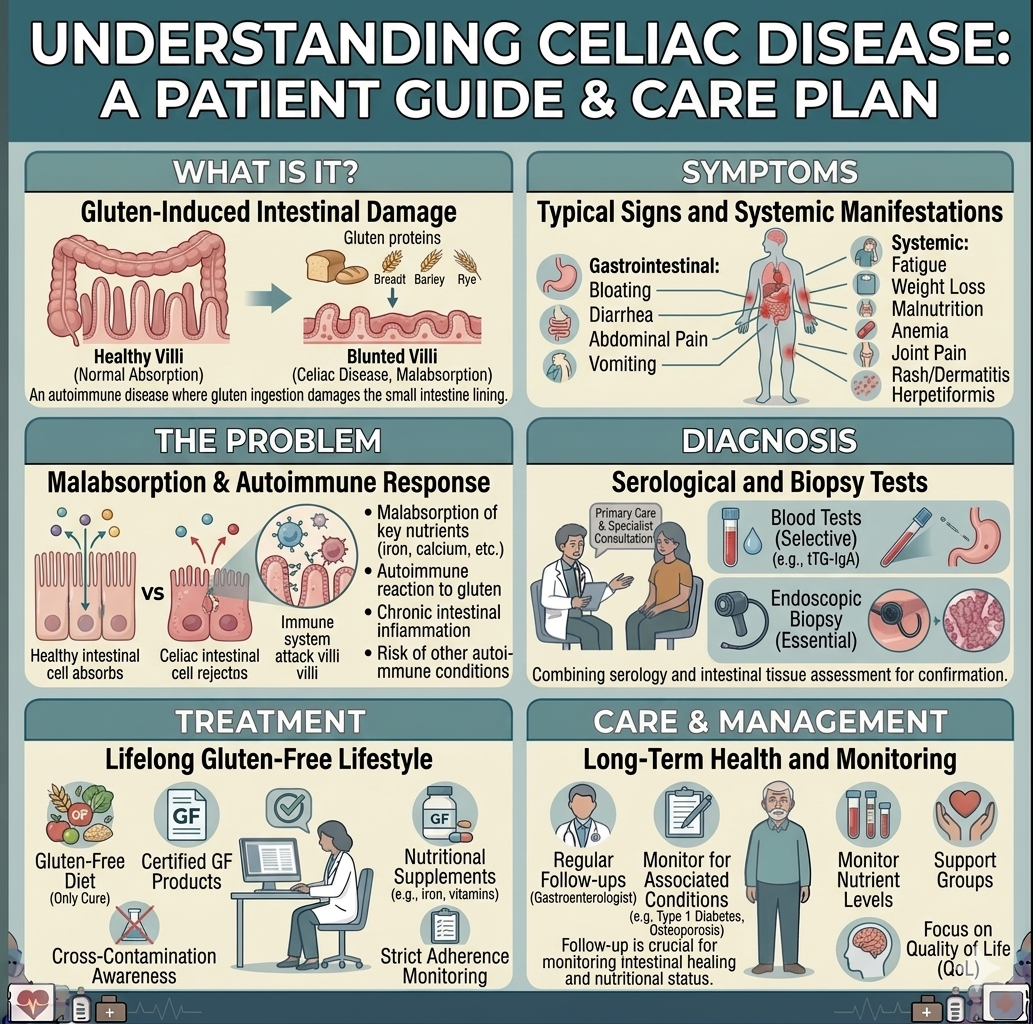
Celiac disease is an autoimmune condition where the body's immune system reacts to gluten, a protein found in wheat, barley, and rye. This reaction primarily damages the lining of the small intestine. Over time, this damage hinders the intestine's ability to absorb vital nutrients from food, a problem known as malabsorption. Common symptoms include diarrhea, fatigue, weight loss, bloating, or anemia. If untreated, celiac disease can lead to serious health complications, and in children, malabsorption can significantly impact growth and development. While there's no cure, strictly avoiding gluten for life helps manage symptoms and allows the intestines to heal.
Understanding the Condition
Understanding Celiac Disease
Understanding the Condition
Celiac disease is an autoimmune condition where the body's immune system reacts to gluten, a protein found in wheat, barley, and rye. This reaction primarily damages the lining of the small intestine. Over time, this damage hinders the intestine's ability to absorb vital nutrients from food, a problem known as malabsorption. Common symptoms include diarrhea, fatigue, weight loss, bloating, or anemia. If untreated, celiac disease can lead to serious health complications, and in children, malabsorption can significantly impact growth and development. While there's no cure, strictly avoiding gluten for life helps manage symptoms and allows the intestines to heal.
Common Symptoms
Adult Digestive Symptoms: These may include: Unexplained weight loss, persistent bloating and gas, abdominal discomfort or cramps (belly pain), feelings of sickness and throwing up (nausea and vomiting), and difficulty with regular bowel movements (constipation).
Adult Non-Digestive Symptoms: These can affect other body systems: Low red blood cell count, often due to iron deficiency (anemia); loss of bone density (osteoporosis) or softening of bones (osteomalacia); an intensely itchy, blistering skin rash called dermatitis herpetiformis; sores inside the mouth (mouth ulcers); persistent head pain and extreme tiredness (headaches and fatigue); numbness or tingling in hands and feet, balance problems, and difficulty with thinking or memory (nervous system issues); aches and discomfort in the joints (joint pain); reduced spleen function (hyposplenism); and higher than normal levels of certain enzymes in the blood, indicating liver stress (elevated liver enzymes).
Symptoms in Children: In addition to gastrointestinal issues, malabsorption can specifically affect growth and development.
Consultation Guide
Which Specialist to Meet
Before your visit, it's crucial not to start a gluten-free diet, as this can interfere with accurate diagnostic tests. Be prepared to discuss your symptoms thoroughly, including when they started and how often they occur. Bring a list of all medications, vitamins, and supplements you currently take. Preparing a list of questions can also help you get the most out of your appointment.
Book a doctor visit near me
Strict Gluten-Free Diet: This is the primary treatment for celiac disease. It involves completely eliminating all foods and products containing wheat, barley, and rye. This includes avoiding hidden sources of gluten in processed foods, sauces, and even some non-food items like medications and cosmetics. Adhering to this diet allows the small intestine to heal, reduces symptoms, and prevents further damage and complications. (Duration: Lifelong)
Management of Complications
Nutritional Supplementation: Due to malabsorption, people with celiac disease may develop deficiencies in vitamins and minerals (e.g., iron, calcium, vitamin D). A doctor may recommend supplements to correct these deficiencies. (Duration: As needed, often long-term monitoring required)
Addressing Non-Responsive Celiac Disease
Specialized Dietary Guidance and Medical Review: If symptoms persist despite a strict gluten-free diet, it may be due to accidental gluten exposure or other underlying issues. A dietitian can help identify hidden gluten sources. Medical review may be needed to check for conditions like bacterial overgrowth in the small intestine, microscopic colitis, poor pancreas function, irritable bowel syndrome, or difficulty digesting certain sugars (like lactose or fructose), all of which may require additional targeted treatments. (Duration: Ongoing until symptoms resolve and underlying issues are managed.)
Strict Adherence to Gluten-Free Diet: Consistently avoiding gluten is the most critical step for preventing symptoms, allowing intestinal healing, and reducing the risk of long-term complications such as malnutrition, bone weakening, infertility, certain cancers, and nervous system conditions.
Diagnostic Procedures
You should consult a gastroenterologist (a doctor specializing in digestive system disorders) for diagnosis and ongoing management. A registered dietitian is also essential for guidance on maintaining a strict gluten-free diet.
Preparations Before Your Visit
This test examines your DNA to identify specific gene changes that are linked to an increased risk of celiac disease. While it doesn't diagnose the condition directly, a positive result suggests you may be genetically predisposed.
What to Expect
Genetic testing typically involves providing a blood sample or a cheek swab. The procedure is generally quick, with minimal physical risk or discomfort.
An upper endoscopy allows a doctor to visually examine the lining of your upper digestive system, including the esophagus, stomach, and the first part of your small intestine (duodenum). A tiny camera on a long, flexible tube is used. During the procedure, small tissue samples (biopsies) are taken from the small intestine to check for damage to the villi—the tiny, finger-like projections responsible for absorbing nutrients.
What to Expect
You will likely receive a sedative to help you relax during the procedure. The endoscope tube is gently guided down your throat. The procedure usually takes about 15 to 30 minutes. You may experience a mild sore throat afterward.
This procedure uses a tiny, vitamin-sized camera that you swallow. As the capsule travels through your digestive tract, it takes thousands of pictures of your small intestine, an area that can be difficult to reach with standard endoscopy. These images are transmitted wirelessly to a recorder worn on a belt.
What to Expect
You will swallow the capsule with water. You then wear a small recorder on a belt for about eight hours as the capsule moves through your body. You can usually go about your day with light activity. The capsule passes naturally with a bowel movement, and it's important to confirm it has passed before having certain medical imaging tests like an MRI.
Regular Medical Follow-Ups: Schedule periodic check-ups with your gastroenterologist to monitor your health, assess intestinal healing, and screen for potential nutrient deficiencies or complications. This helps ensure ongoing health and appropriate management.
Prevention & Long-Term Wellbeing
Dietary Management
Prevention and Long-Term Monitoring
Nutritional Counseling: Work closely with a registered dietitian specializing in celiac disease. They can provide essential guidance on maintaining a complete gluten-free diet, identifying hidden gluten, ensuring adequate nutrient intake, and managing any specific dietary challenges.
Bone Health Management: Due to the risk of bone weakening, discuss bone density screening with your doctor. Ensure adequate intake of calcium and vitamin D through diet or supplements as recommended.
Awareness of Family History: If you have a family member with celiac disease or dermatitis herpetiformis, consider discussing screening options with your doctor, as celiac disease has a genetic component.
Tags & Topics
Notice an error or need an update?
Help us keep medical information accurate. Report incorrect info or suggest an edit.


