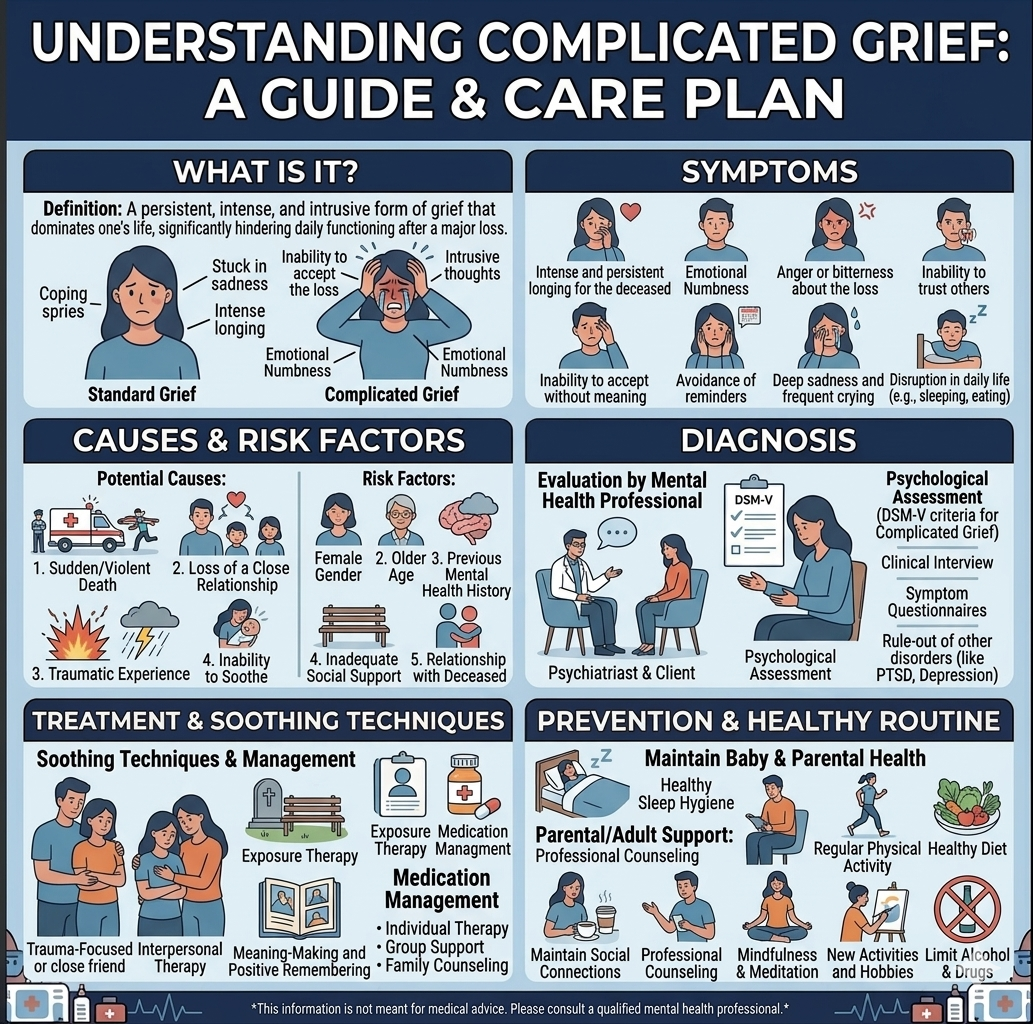
Losing a loved one is a profoundly painful experience. While most people gradually heal from grief over time, some become stuck in an intense, long-lasting sorrow known as complicated grief, also called persistent complex bereavement disorder. This isn't just severe sadness; it's a debilitating state where painful emotions don't ease, making it difficult to recover from the loss and resume daily life. Unlike normal grief, which lessens over time, complicated grief symptoms persist or worsen, feeling like an ongoing, heightened state of mourning that prevents healing. If feelings of loss remain overwhelming and interfere with your life for more than a year, it's crucial to seek professional help to prevent long-term difficulties.
Understanding the Condition
Understanding Complicated Grief
Understanding the Condition
Losing a loved one is a profoundly painful experience. While most people gradually heal from grief over time, some become stuck in an intense, long-lasting sorrow known as complicated grief, also called persistent complex bereavement disorder. This isn't just severe sadness; it's a debilitating state where painful emotions don't ease, making it difficult to recover from the loss and resume daily life. Unlike normal grief, which lessens over time, complicated grief symptoms persist or worsen, feeling like an ongoing, heightened state of mourning that prevents healing. If feelings of loss remain overwhelming and interfere with your life for more than a year, it's crucial to seek professional help to prevent long-term difficulties.
Common Symptoms
Intense Sorrow and Preoccupation: Profound sadness, emotional pain, and continuous rumination about the loss of your loved one.
Life Revolves Around the Deceased: Focusing on little else but your loved one's death or the circumstances surrounding it.
Extreme Focus or Avoidance: An intense focus on reminders of the loved one, or, conversely, an excessive avoidance of anything that brings them to mind.
Persistent Longing: An intense and unwavering longing or yearning for the deceased person.
Difficulty Accepting the Death: Struggling to come to terms with the reality of the loss, feeling disbelief or shock long after it occurred.
Numbness or Detachment: Feeling emotionally numb, detached from others, or disconnected from life.
Bitterness About the Loss: Experiencing persistent bitterness, anger, or resentment related to the death.
Life Lacks Meaning or Purpose: A profound feeling that life holds no meaning, purpose, or satisfaction without the loved one.
Lack of Trust in Others: Developing a deep distrust in other people or the world after the loss.
Inability to Enjoy Life or Memories: Finding it impossible to enjoy positive experiences, or to recall positive memories of your loved one without intense pain.
Consultation Guide
Which Specialist to Meet
Before your visit, take some time to note down your symptoms: when they started, how often they occur, their intensity, and how they impact your daily life, relationships, and work. Mention any past mental health history, significant life stressors, and any questions you have for the doctor. Bringing a trusted friend or family member for support can also be helpful during the appointment.
Book a doctor visit near me
You will have a private conversation with the mental health professional, who will ask you a series of detailed questions about your grief symptoms, their duration, intensity, and how they affect your daily life and well-being. They will also inquire about your medical history, any prior mental health conditions, significant life events (especially around the time of the loss), and how you are coping. There are no physical procedures involved. The goal is to gather enough information to make an accurate diagnosis and develop a personalized treatment plan.
Symptom Management Medication: While there isn't a specific medication for complicated grief itself, your doctor may prescribe medications to manage co-occurring symptoms like severe depression, anxiety, or significant sleep disturbances. These can make it easier to engage in therapy and cope with daily life. (Duration: Varies, often several months to a year, or as needed, under medical supervision.)
Support and Self-Care
Support Groups: Connecting with others experiencing similar losses can provide validation, reduce feelings of isolation, and offer practical advice and shared coping strategies in a supportive environment. (Duration: Ongoing, as needed for continued support.)
Mind-Body Practices: Activities like mindfulness, meditation, yoga, or gentle exercise can help manage stress, emotional distress, and promote overall well-being during the grieving process, aiding in emotional regulation. (Duration: Ongoing, as part of a daily routine or as needed.)
Continue Professional Guidance: Even after initial treatment, regular check-ins with a therapist or doctor can help you navigate ongoing challenges, reinforce coping strategies, and address any resurgence of symptoms or new stressors that arise over time, ensuring sustained emotional health.
Diagnostic Procedures
Start by consulting your primary care doctor. They can provide an initial assessment and refer you to a mental health professional such as a psychiatrist (a medical doctor specializing in mental health), psychologist (trained in therapy), or a licensed therapist or counselor. These specialists are equipped to diagnose and treat complicated grief and its related conditions.
Preparations Before Your Visit
Clinical Interview and Assessment
Complicated grief is diagnosed through a thorough clinical assessment by a mental health professional, rather than laboratory tests. This process involves a detailed discussion about your experiences and feelings.
What to Expect
Treatment Options
Therapies
Psychotherapy (Talk Therapy): A cornerstone treatment where you work with a mental health professional to explore feelings, thoughts, and behaviors related to your grief. Specific therapies, like Complicated Grief Treatment (CGT) or Cognitive Behavioral Therapy (CBT), help you process the loss, adjust to life without the loved one, improve coping skills, and find ways to remember the deceased while reinvesting in your own life. (Duration: Typically several months to a year or more, depending on individual needs and progress, often with weekly sessions.)
Medications
Prevention & Long-Term Wellbeing
Prevention and Support
Seek Early Counseling: If you are at high risk for complicated grief (e.g., after an unexpected or violent death, the loss of a child, or if you have a history of depression or anxiety), seeking bereavement counseling soon after a loss can help process emotions and develop healthy coping mechanisms, potentially preventing prolonged distress.
Allow Yourself to Grieve: Do not suppress your feelings. Talking openly about your grief, allowing yourself to cry, and expressing your emotions in a healthy way can prevent sadness from becoming overwhelming and 'stuck,' facilitating the natural healing process.
Build and Maintain Support Systems: Lean on family, friends, social support groups, or faith communities. These connections provide comfort, understanding, and practical help, significantly reducing feelings of isolation and offering a sense of belonging during a difficult time.
Long-Term Well-being
Prioritize Self-Care: Maintain adequate sleep, nutritious meals, and regular physical activity. These fundamental practices bolster your physical and mental resilience, making it easier to cope with emotional pain and navigate life's challenges over the long term.
Tags & Topics
Notice an error or need an update?
Help us keep medical information accurate. Report incorrect info or suggest an edit.


