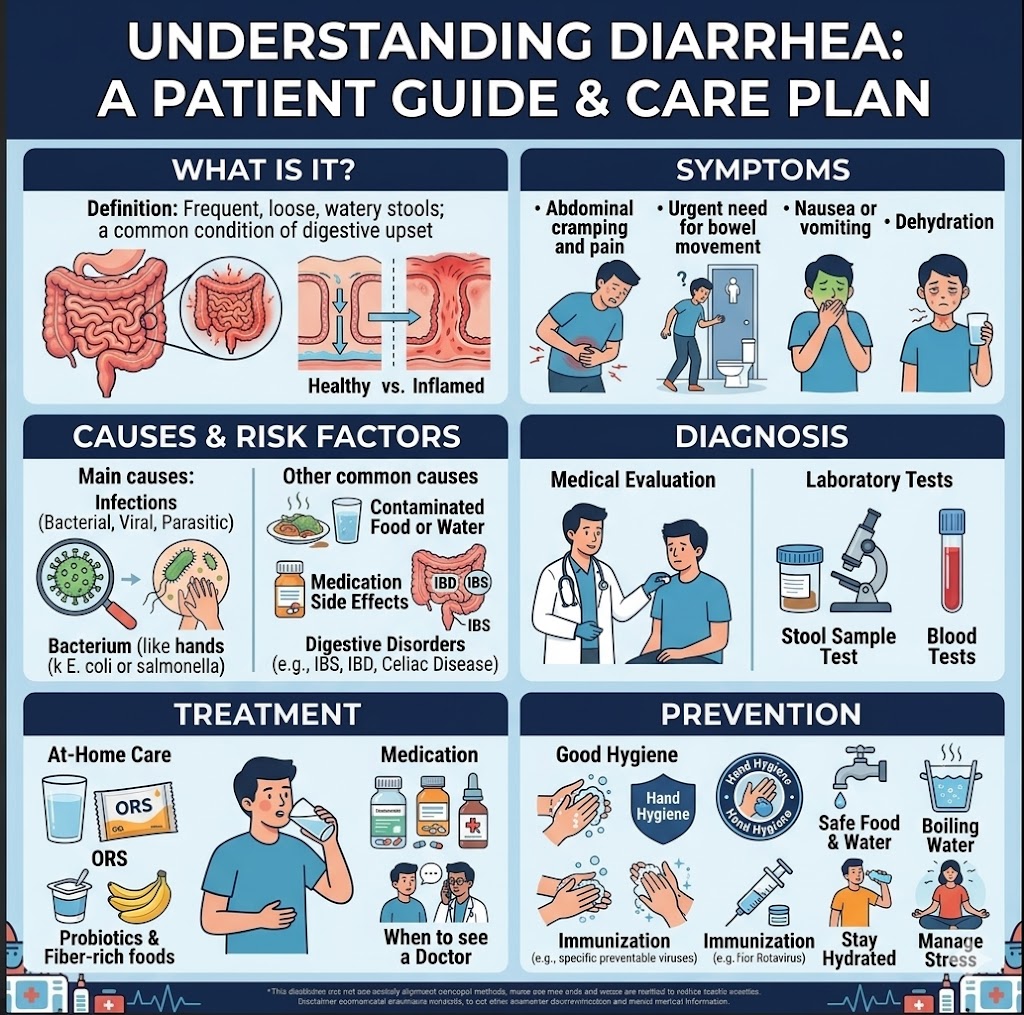
Diarrhea is characterized by loose, watery, and more frequent stools. While it is a very common issue that usually resolves within a couple of days, persistent or chronic diarrhea can signal an underlying health condition, such as irritable bowel syndrome, food intolerances, or an infection. It is critical to monitor symptoms to prevent dehydration, which can be life-threatening if left untreated.
Understanding the Condition
Diarrhea is characterized by loose, watery, and more frequent stools. While it is a very common issue that usually resolves within a couple of days, persistent or chronic diarrhea can signal an underlying health condition, such as irritable bowel syndrome, food intolerances, or an infection. It is critical to monitor symptoms to prevent dehydration, which can be life-threatening if left untreated.
Common Symptoms
Loose, Watery Stools: Bowel movements that are abnormally liquid, loose, and frequent.
Abdominal Cramping and Pain: Sharp or dull aching pain in the belly area, often temporarily relieved after a bowel movement.
Bloody or Black Stools: Stools that contain visible red blood or appear dark, tarry, and black, indicating potential bleeding in the digestive tract.
Dehydration Symptoms: Signs include extreme thirst, dry mouth, little to no urination, dark-colored urine, dizziness, and fatigue.
Consultation Guide
Which Specialist to Meet
You should consult a Primary Care Physician (PCP) for initial evaluation. If your diarrhea is chronic, severe, or recurrent, you may be referred to a Gastroenterologist, a medical specialist focused on digestive system disorders.
Preparations Before Your Visit
Before your visit, keep a detailed food and symptom diary for a few days. Note the frequency and consistency of your stools. Make a list of all medications, over-the-counter drugs, and supplements you are taking. Write down when your symptoms started, any recent travel history, and key questions to ask your doctor. Stay well-hydrated leading up to your appointment.
Book a doctor visit near me
Dietary Modifications (BRAT Diet): Consuming bland, low-fiber foods like bananas, rice, applesauce, and toast, while avoiding dairy, caffeine, alcohol, fatty foods, and artificial sweeteners. (Duration: For 24 to 48 hours after acute symptoms begin to subside, gradually transitioning back to a normal diet.)
Anti-Diarrheal Medications: Over-the-counter options that help slow down bowel movements and reduce the frequency of liquid stools. These should not be used if you have bloody stools or a high fever, as they can worsen bacterial infections. (Duration: Usually limited to 1 to 2 days; use should be discontinued if symptoms persist.)
Clinical & Surgical Interventions
Intravenous (IV) Fluids: Administering fluids and electrolytes directly into a vein, necessary for severe cases of dehydration where oral intake is not tolerated. (Duration: A few hours in an outpatient clinic or emergency department, or longer if hospitalization is required.)
Consultation Guide
Understanding Diarrhea: Causes, Diagnostics, and Management
Understanding the Condition
A complete blood count and metabolic panel to check for signs of infection, anemia, inflammation, or electrolyte imbalances caused by dehydration.
Surgical Intervention: Surgery to address serious underlying causes of chronic diarrhea, such as bowel resection for inflammatory bowel disease (Crohn's or ulcerative colitis) or gallbladder issues. (Duration: Variable; requires several weeks to months of post-operative recovery and long-term follow-up.)
Diagnostic Procedures
Mucus in the Stool: The presence of a jelly-like substance in the stool, which can indicate inflammation in the intestines.
An analysis of a stool sample to look for signs of bacterial, viral, or parasitic infections, as well as the presence of blood or inflammatory markers.
What to Expect
You will be given a sterile container and instructions on how to collect a small sample of your stool at home. You will then return this container to a clinic or laboratory for microscopic analysis.
What to Expect
A healthcare provider will insert a small needle into a vein in your arm to draw a vial of blood. The procedure is quick, though you may feel a brief pinch.
A non-invasive test used to determine if you have difficulty digesting sugars like lactose or fructose, or if you have bacterial overgrowth in your small intestine.
What to Expect
You will drink a liquid containing a specific sugar, and then breathe into a balloon-like bag at regular intervals over a few hours. The level of hydrogen in your breath is measured to detect digestive issues.
Colonoscopy or Sigmoidoscopy
Visual examinations of the entire large intestine (colonoscopy) or just the lower portion of the colon (sigmoidoscopy) using a thin, flexible tube with a camera.
What to Expect
You must perform a bowel prep (drinking a strong laxative solution) the day before to empty your colon. During the procedure, you will be sedated for comfort. The specialist inserts the scope through your rectum to inspect the intestinal lining and may take small tissue samples (biopsies) for testing.
An examination of the esophagus, stomach, and the beginning of the small intestine (duodenum) to rule out conditions like celiac disease.
What to Expect
You will need to fast beforehand. After receiving a local anesthetic spray to numb your throat and a mild sedative, a doctor will gently pass a thin, lighted tube down your esophagus. The procedure typically takes about 15 to 30 minutes.
Treatment Options
Home Remedies & Hydration
Oral Rehydration and Fluid Replacement: Drinking plenty of fluids containing essential electrolytes, such as diluted juices, broths, and oral rehydration solutions, to replace lost water and salts. (Duration: Continued throughout the duration of the diarrhea, typically 2 to 4 days, or until stool consistency returns to normal.)
Medications
Antibiotics: Prescription medications used specifically to treat bacterial or parasitic infections causing the diarrhea. They are ineffective against viral infections. (Duration: Typically 3 to 7 days, as prescribed by your doctor. It is vital to complete the entire course.)
Probiotic Support: Incorporate foods rich in probiotics (such as yogurt or kefir) or take quality probiotic supplements under medical guidance to restore and maintain a healthy balance of gut bacteria, especially after antibiotic treatment.
Prevention & Long-Term Wellbeing
Prevention Strategies
Thorough Hand Hygiene: Wash hands with soap and warm water for at least 20 seconds before eating, preparing food, after using the bathroom, or changing diapers to stop the spread of infectious pathogens.
Safe Food and Drink Practices When Traveling: When visiting developing regions, drink only bottled or boiled water, avoid ice cubes, eat hot, well-cooked foods, and avoid raw fruits and vegetables unless you peel them yourself.
Infant Vaccination: Protect infants from viral diarrhea by ensuring they receive the recommended rotavirus vaccine series during early check-ups.
Long-Term Management
Identify and Avoid Dietary Triggers: Keep a food journal to pinpoint sensitivities to lactose, fructose, gluten, or artificial sweeteners (like sorbitol and mannitol), and work with a dietitian to adjust your diet.
Tags & Topics
Notice an error or need an update?
Help us keep medical information accurate. Report incorrect info or suggest an edit.


