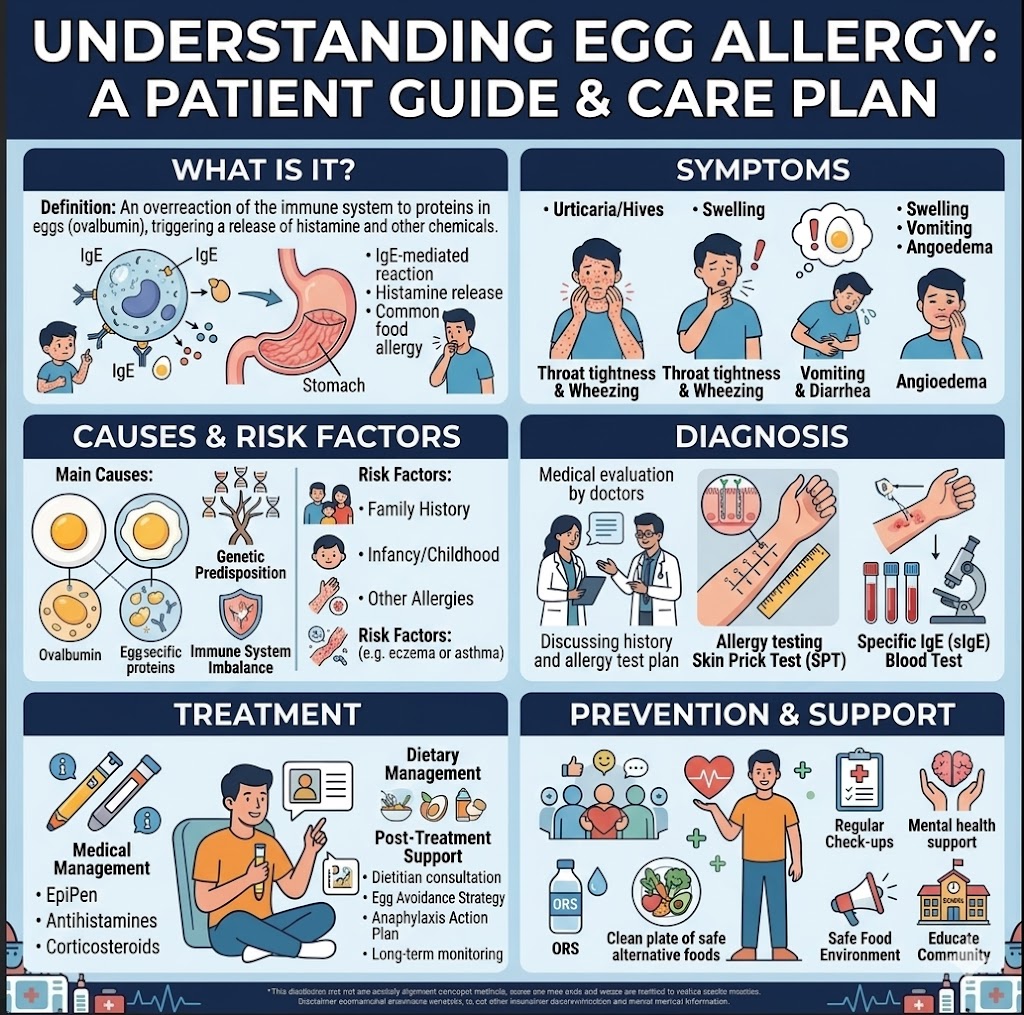
Egg allergy is a common allergic reaction, particularly in children, where the body's immune system mistakenly identifies harmless proteins in eggs as a threat. This triggers a response that can cause various symptoms, ranging from mild skin rashes and digestive upset to severe, life-threatening reactions. Symptoms typically appear within minutes to a few hours after eating eggs or foods containing them. While it can manifest in infancy, many children successfully outgrow their egg allergy by adolescence.
Understanding the Condition
Egg allergy is a common allergic reaction, particularly in children, where the body's immune system mistakenly identifies harmless proteins in eggs as a threat. This triggers a response that can cause various symptoms, ranging from mild skin rashes and digestive upset to severe, life-threatening reactions. Symptoms typically appear within minutes to a few hours after eating eggs or foods containing them. While it can manifest in infancy, many children successfully outgrow their egg allergy by adolescence.
Common Symptoms
Mild to Moderate Symptoms: These reactions usually appear on the skin, in the nasal passages, or affect the digestive system. They include: skin inflammation like hives (itchy red bumps), eczema flare-ups, swelling of the face, lips, or around the eyes, nasal congestion, runny nose, sneezing, shortness of breath, stomach pain, cramps, nausea, vomiting, or diarrhea.
Severe Allergic Reaction (Anaphylaxis): Anaphylaxis is a life-threatening emergency requiring immediate medical attention. Symptoms can be rapid and severe, including: difficulty breathing or wheezing (a high-pitched whistling sound), tightness in the throat, a sudden drop in blood pressure causing dizziness, lightheadedness, faintness, or shock, rapid pulse, severe abdominal pain or cramps, widespread hives or swelling, and a sense of impending doom.
Consultation Guide
Which Specialist to Meet
You should initially consult your primary care physician. Depending on the severity and nature of symptoms, they may refer you to an allergist or immunologist, who specializes in the diagnosis and treatment of allergies and immune system disorders.
Preparations Before Your Visit
Before your appointment, be prepared to provide a detailed account of any reactions, including: what symptoms occurred, when they started, how long they lasted, and their severity. Note all foods consumed immediately before the reaction. Be ready to discuss any family history of allergies. If possible, avoid taking antihistamines for several days before an allergy test, as advised by your doctor, as these can interfere with test results.
Book a doctor visit near me
Antihistamines: These medications are used to relieve mild allergy symptoms such as hives, itching, or nasal congestion. They are typically taken orally. (Duration: As needed for symptomatic relief.)
Emergency Auto-Injector (Epinephrine): For severe allergic reactions (anaphylaxis), an injectable medication (epinephrine) is used to rapidly counteract life-threatening symptoms. This device is designed for easy self-administration or administration by a caregiver. (Duration: Administered immediately upon recognition of severe symptoms; it's a critical emergency dose followed by seeking immediate medical attention.)
Diagnostic Procedures
Egg Allergy: Understanding, Diagnosis, and Management
Understanding the Condition
This is a common method to identify specific allergens. Small amounts of purified egg protein extracts (allergens) are applied to the skin, typically on the forearm or back, which is then gently pricked. The skin is observed for a reaction.
What to Expect
You will feel several small, quick pricks on your skin. These are generally uncomfortable rather than painful. After about 15-20 minutes, the healthcare professional will examine your skin for raised, red bumps, similar to mosquito bites, which indicate a positive allergic reaction. This test is generally safe for adults and children, including infants. However, it may not be suitable if you have severe skin conditions, a history of very severe allergic reactions, or are taking medications that can affect test results (e.g., certain antihistamines).
Blood Tests (Specific IgE Antibody Test)
This test measures the amount of specific antibodies (immunoglobulin E or IgE) to egg proteins in your blood. Higher levels of these antibodies can indicate an egg allergy.
What to Expect
A healthcare professional will draw a small sample of blood, usually from a vein in your arm, using a needle. This is a standard blood draw procedure and typically takes only a few minutes. The blood sample is then sent to a laboratory for analysis. Results typically become available within several days. This test is a suitable alternative for individuals who cannot undergo skin tests.
Treatment Options
Strict Egg Avoidance: The primary treatment involves completely avoiding eggs and all foods containing egg ingredients. This requires meticulous reading of food labels and clear communication when eating out or with others. (Duration: Ongoing, potentially lifelong or until the allergy is confirmed to be outgrown, which commonly occurs during childhood.)
Medications
Carrying Emergency Medication: If prescribed an emergency auto-injector, always carry it with you. Ensure that you, family members, and close contacts are trained on how and when to use it effectively. Replace expired devices promptly.
Medical Alert Identification: Consider wearing a medical alert bracelet or necklace that clearly indicates an egg allergy, especially for children or individuals at higher risk of severe reactions, to inform others in an emergency.
Understanding Reaction Variability: Be aware that the severity of an egg allergy reaction can differ with each exposure. Even if past reactions were mild, future reactions could be more serious, emphasizing the need for continuous vigilance and preparedness.
Prevention & Long-Term Wellbeing
Lifestyle and Prevention
Prevention
Careful Food Label Reading: Always meticulously check food labels for egg ingredients, including less obvious forms (e.g., albumin, globulin). Be aware that 'egg-free' products may still pose a risk if manufactured in facilities that also process eggs due to potential cross-contamination.
Informing Others: Educate family, friends, school staff, daycare providers, and restaurant personnel about the egg allergy and necessary precautions to ensure a safe environment.
Cross-Contamination Awareness: Take diligent steps to prevent egg residue from contaminating other foods, utensils, or surfaces during food preparation, cooking, and serving, especially at home and when eating out.
Long-Term Monitoring and Emergency Preparedness
Regular Medical Follow-ups: Maintain regular consultations with your doctor or allergist to discuss any new reactions, assess the possibility of the allergy being outgrown (particularly important for children), and review your current management plan.
Tags & Topics
Notice an error or need an update?
Help us keep medical information accurate. Report incorrect info or suggest an edit.


