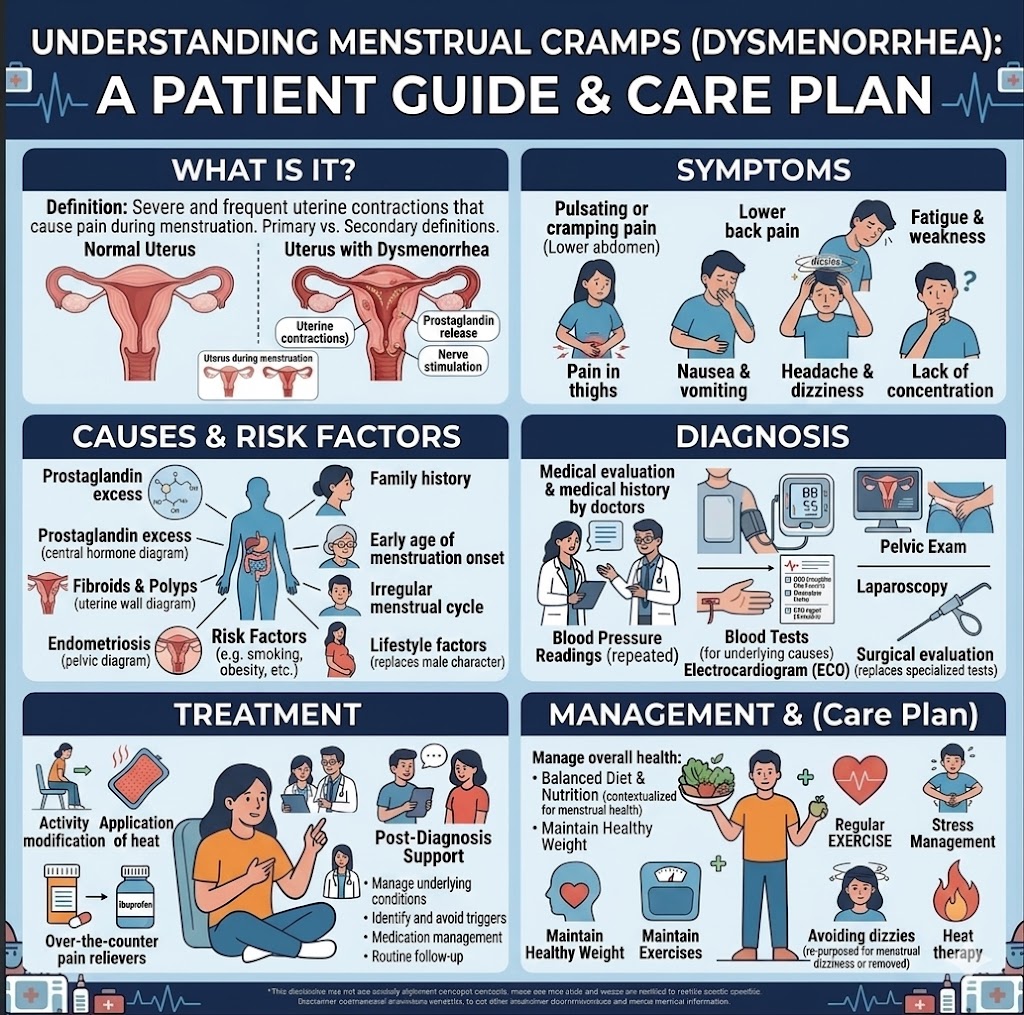
Menstrual cramps, medically known as dysmenorrhea, are common aches or throbbing pains experienced in the lower abdomen. Many women feel these pains just before and during their monthly period. For some, it's a minor annoyance, but for others, the pain can be severe enough to disrupt daily life for several days each month. These cramps happen when the uterus contracts to shed its lining, triggered by hormone-like substances called prostaglandins. Higher levels of these substances can lead to more intense pain. While some cramps are part of the normal menstrual cycle, others can be caused by underlying conditions like endometriosis or uterine fibroids. Addressing these root causes is crucial for pain relief. Interestingly, menstrual cramps not linked to other medical issues often become less severe with age and can improve after childbirth.
Understanding the Condition
Understanding Menstrual Cramps: Causes, Symptoms, and Management
Understanding the Condition
Common Symptoms
Lower Abdominal Pain: Aching or throbbing pain in the lower belly.
Radiating Pain: Discomfort that can spread to the lower back and inner thighs.
Digestive Upset: Feelings of nausea, sometimes leading to vomiting, or loose stools (diarrhea).
Headache: A dull or throbbing head pain.
Dizziness: Feeling lightheaded or unsteady.
Consultation Guide
Which Specialist to Meet
Before your visit, it's helpful to track your menstrual cycles, noting the start and end dates of your period, the intensity and type of pain, and any other symptoms you experience. Also, consider any over-the-counter pain relievers you've tried and if they provided relief. This information helps your doctor understand your condition better.
Book a doctor visit near me
Specific Medications: For conditions like endometriosis, specific medications can manage symptoms and slow disease progression. (Duration: Varies from short-term courses to long-term management)
Symptom Tracking: Keeping a diary of your menstrual cycle and associated symptoms can help you and your doctor identify patterns, triggers, and the effectiveness of treatments over time.
Consultation Guide
Menstrual cramps, medically known as dysmenorrhea, are common aches or throbbing pains experienced in the lower abdomen. Many women feel these pains just before and during their monthly period. For some, it's a minor annoyance, but for others, the pain can be severe enough to disrupt daily life for several days each month. These cramps happen when the uterus contracts to shed its lining, triggered by hormone-like substances called prostaglandins. Higher levels of these substances can lead to more intense pain. While some cramps are part of the normal menstrual cycle, others can be caused by underlying conditions like endometriosis or uterine fibroids. Addressing these root causes is crucial for pain relief. Interestingly, menstrual cramps not linked to other medical issues often become less severe with age and can improve after childbirth.
Minimally Invasive Procedures: Procedures like uterine artery embolization for fibroids, or laparoscopic surgery to remove endometrial tissue, can address the root cause of severe cramps. (Duration: Single procedure followed by recovery, with potential long-term benefits)
Diagnostic Procedures
CT Scan (Computerized Tomography)
A CT scan is a detailed imaging test that uses a special type of X-ray equipment combined with computer processing. It creates cross-sectional pictures, like slices, of the bones, blood vessels, and soft tissues inside your body. These images offer much more detail than a standard X-ray and can help doctors diagnose injuries, diseases, or plan treatments. While not typically the first test for menstrual cramps, it might be used to investigate more complex underlying conditions if suspected.
What to Expect
You will lie on a motorized table that slides into a large, doughnut-shaped machine. You may hear humming or clicking noises. Depending on the area being scanned, you might need to hold your breath for short periods. Sometimes, a special dye (contrast material) is given through an injection into a vein, or you might drink it or have it administered rectally, to make certain structures show up more clearly. You'll need to stay very still during the scan, which typically takes 10 to 30 minutes. The procedure is usually painless.
Ultrasound (Sonography)
An ultrasound, also called sonography, is a safe procedure that uses high-frequency sound waves to create live images of the inside of your body. These sound waves bounce off internal organs and tissues, and a computer then converts them into real-time pictures visible on a screen. It's particularly useful for viewing soft tissues and structures that don't contain much air or aren't hidden by bone, making it an excellent tool for examining the female reproductive organs. It does not use radiation.
What to Expect
For most ultrasounds, you will lie on an exam table. A gel is applied to your skin over the area to be examined (e.g., lower abdomen). A trained technician or doctor then moves a small, handheld device called a transducer over the gelled area. You might feel a slight pressure. For pelvic ultrasounds, you may be asked to have a full bladder, as this can improve image clarity. In some cases, a transvaginal ultrasound might be performed, where a thin, lubricated transducer is gently inserted into the vagina to get closer, more detailed views of the uterus and ovaries. The procedure is generally painless and takes about 15 to 45 minutes. You may be asked to remove jewelry and wear loose clothing.
Treatment Options
You should first consult with your general practitioner (family doctor). If your cramps are severe, don't improve with basic treatments, or you have concerns about underlying conditions, your doctor may refer you to a gynecologist, a specialist in women's reproductive health.
Preparations Before Your Visit
Prescription Pain Relievers: For more severe pain, your doctor may prescribe stronger anti-inflammatory medications. (Duration: Taken as needed during the painful phase)
Hormonal Birth Control: Methods like pills, patches, rings, or hormonal intrauterine devices (IUDs) can thin the uterine lining and reduce prostaglandin levels, often leading to lighter periods and fewer cramps. (Duration: Typically used continuously for several months or years, depending on the chosen method and individual needs)
Treatments for Underlying Conditions
Fibroid Management: Depending on their size and location, uterine fibroids might be managed with medications that shrink them or control bleeding. (Duration: Varies from short-term medication to ongoing treatment)
Surgical Options: In some cases, for conditions like large fibroids or severe endometriosis that don't respond to other treatments, surgical removal of fibroids (myomectomy) or the uterus (hysterectomy) might be considered. (Duration: Single surgical intervention followed by recovery)
Prevention & Long-Term Wellbeing
Home Remedies and Lifestyle Adjustments
Heat Application: Placing a heating pad or hot water bottle on your lower abdomen helps relax uterine muscles and ease pain. (Duration: As needed during the painful phase of the menstrual cycle)
Over-the-Counter Pain Relief: Taking non-prescription pain relievers can reduce prostaglandin production and relieve cramps. (Duration: As needed during the painful phase of the menstrual cycle)
Light Exercise & Rest: Gentle physical activity, such as walking or stretching, and ensuring adequate rest can help manage discomfort. (Duration: As needed during the painful phase of the menstrual cycle)
Dietary Changes & Stress Reduction: Avoiding certain foods (e.g., caffeine, alcohol, salty foods) and practicing stress-reducing techniques (e.g., yoga, meditation) may provide relief. (Duration: As needed, especially during the menstrual period)
Prevention and Long-Term Monitoring
Healthy Lifestyle: Maintaining a consistent exercise routine, eating a balanced diet rich in fruits and vegetables, and ensuring adequate sleep support overall health and may reduce cramp intensity.
Hydration & Stress Management: Drinking plenty of water can help reduce bloating and discomfort, while regularly practicing stress-reducing techniques (e.g., yoga, meditation) can lessen the intensity of cramps.
Regular Check-ups: Consistent visits to a healthcare provider allow for early detection and management of any new or worsening conditions, ensuring ongoing wellbeing.
Tags & Topics
Notice an error or need an update?
Help us keep medical information accurate. Report incorrect info or suggest an edit.


