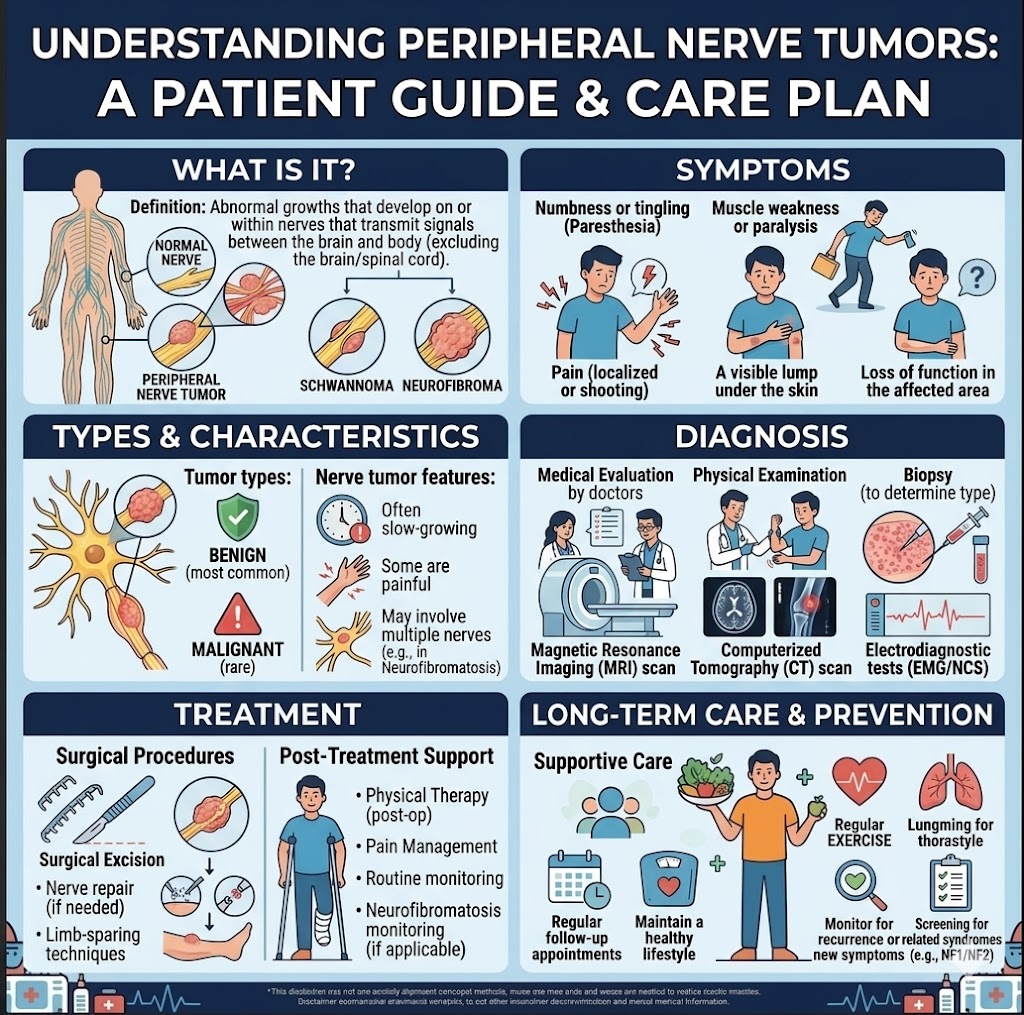
Peripheral neuropathy results from damage to nerves located outside the brain and spinal cord. These peripheral nerves transmit messages between the central nervous system and the rest of the body. This condition often causes weakness, numbness, and pain, typically in the hands and feet, but can also affect functions like digestion and urination. Causes include injuries, infections, metabolic problems (like diabetes, a common cause), genetic factors, and toxin exposure. Symptoms can sometimes improve if the underlying cause is treatable, and various medications can help manage the pain.
Understanding the Condition
Peripheral Neuropathy: Understanding Nerve Damage
Understanding the Condition
Peripheral neuropathy results from damage to nerves located outside the brain and spinal cord. These peripheral nerves transmit messages between the central nervous system and the rest of the body. This condition often causes weakness, numbness, and pain, typically in the hands and feet, but can also affect functions like digestion and urination. Causes include injuries, infections, metabolic problems (like diabetes, a common cause), genetic factors, and toxin exposure. Symptoms can sometimes improve if the underlying cause is treatable, and various medications can help manage the pain.
Common Symptoms
Sensory Nerve Symptoms: Damage to sensory nerves (which receive sensations like temperature, pain, touch) causes gradual numbness, prickling, tingling (often in feet and hands, potentially spreading), sharp/burning pain, extreme touch sensitivity, or pain from non-painful activities (e.g., walking, blanket contact).
Motor Nerve Symptoms: Damage to motor nerves (which control muscle movement) leads to muscle weakness, lack of coordination, falling, or in severe cases, inability to move affected body parts.
Autonomic Nerve Symptoms: Damage to autonomic nerves (which control automatic functions like blood pressure, sweating, digestion, and bladder) can affect these internal processes.
Other Common Sensations: Patients may also experience a sensation of wearing gloves or socks when they are not.
Consultation Guide
Which Specialist to Meet
Before your visit, list your symptoms (including when they started, their severity, and any triggers), all current medications, your full medical history, and any questions you have. This preparation helps ensure a focused and productive discussion.
Book a doctor visit near me
Engage in Regular Physical Activity: Aim for at least 30 minutes to one hour of moderate exercise, at least three times a week, after getting approval from your healthcare professional. Exercise improves blood flow and can help manage symptoms.
Avoid Nerve Damage Triggers: Limit or avoid alcohol consumption, as excessive intake can lead to nerve damage. Avoid exposure to toxic chemicals (e.g., industrial chemicals, heavy metals like lead and mercury), quit smoking, and prevent repetitive motion injuries by taking breaks and using proper ergonomics.
Practice Diligent Foot and Skin Care: If you experience numbness, regularly inspect your feet and other numb areas for unnoticed injuries, cuts, or sores. Wear protective, well-fitting, closed-toe shoes. Treat any minor injuries promptly to prevent infection, especially if you have diabetes.
Prevent Falls: Install handrails in bathrooms and stairways, ensure good lighting in all rooms, and remove tripping hazards. Use mobility aids like canes or walkers if advised by your doctor to improve stability and reduce fall risk.
Consultation Guide
Consult your primary care doctor first, who may refer you to a neurologist (a nerve specialist) or other specialists (e.g., an endocrinologist for diabetes-related cases, or a pain management specialist) depending on the suspected cause.
Preparations Before Your Visit
You will lie on a movable table that slides into a large, donut-shaped machine. You might hear humming or clicking sounds. It's important to remain very still during the scan. In some cases, a special contrast dye might be injected into a vein to highlight certain areas, which can cause a temporary warm sensation.
These tests check for various underlying causes of nerve damage, such as diabetes, vitamin deficiencies (like B-12), autoimmune conditions, infections (e.g., Lyme disease, HIV), kidney or liver disease, and abnormal proteins.
Immunotherapy: For cases caused by autoimmune conditions, treatments like plasma exchange or intravenous immune globulin (IVIg) may be used to suppress the immune system's attack on nerves. (Duration: As prescribed by a specialist, often short-term courses or intermittent treatment.)
Disease-Specific Treatment: Addressing the underlying cause, such as treating hypothyroidism with appropriate medication or surgically removing tumors when present. (Duration: Varies significantly by underlying condition, often long-term management.)
Diagnostic Procedures
Neurological Examination
This is a physical assessment to check your reflexes, muscle strength, balance, coordination, and ability to feel sensations like touch, temperature, and vibration. It helps your doctor understand which nerves might be affected and how severely.
What to Expect
Your doctor will use small tools like a reflex hammer, tuning fork, and soft brush to test various nerve functions. You might be asked to walk, touch your nose, or push against resistance to evaluate your motor skills and coordination. This exam is non-invasive and generally painless.
Electromyography (EMG) and Nerve Conduction Study
These two tests are often performed together to assess the health of your muscles and the nerves that control them, measuring the electrical activity in your nerves and muscles.
What to Expect
For the nerve conduction study, small adhesive pads (electrodes) are placed on your skin. These electrodes deliver mild electrical pulses, and the speed and strength of nerve signals are measured. You'll feel brief, mild tingling or small shocks. For the EMG, a very thin needle electrode is inserted directly into specific muscles to record their electrical activity both at rest and during muscle contraction. You might feel a quick pinch or some discomfort when the needle is inserted.
CT Scan (Computerized Tomography Scan)
A CT scan uses X-rays and computer processing to create detailed cross-sectional images, or "slices," of bones, blood vessels, and soft tissues inside your body. It can help identify if a tumor or injury is pressing on nerves.
What to Expect
What to Expect
A healthcare professional will draw a small sample of blood, usually from a vein in your arm. You might feel a brief pinch or sting. The sample is then sent to a laboratory for analysis.
Treatment Options
Medications
Pain Relievers: Over-the-counter pain medications or prescription options can help reduce general discomfort. (Duration: As needed or ongoing, as prescribed by your doctor.)
Nerve Pain Modulators: Certain medications, initially developed for other conditions (e.g., seizures, depression), can effectively calm overactive nerve signals and reduce burning, stabbing, or shooting pain. (Duration: Often long-term, as prescribed by a specialist.)
Therapies and Procedures
Physical Therapy: Tailored exercises and techniques to improve strength, balance, flexibility, and coordination, helping to reduce fall risk and improve mobility. (Duration: Weeks to months, or ongoing for maintenance, based on individual needs.)
Transcutaneous Electrical Nerve Stimulation (TENS): Small electrodes placed on the skin deliver mild electrical impulses to the affected area, which can help block pain signals. (Duration: Short sessions, as needed, often ongoing with a home device.)
Acupuncture: Involves inserting very thin needles into specific points on the body, believed to stimulate nerves and muscles, boosting the body's natural painkillers. (Duration: Multiple sessions, typically weekly or bi-weekly for several weeks.)
Biofeedback: A mind-body technique where you learn to control certain body functions, like heart rate or muscle tension, using electronic sensors. This can help manage pain and stress. (Duration: Multiple sessions, learning self-management over time.)
Manage Underlying Medical Conditions: Strictly control blood sugar levels if you have diabetes, and ensure proper treatment for kidney disease, liver disease, thyroid problems, or autoimmune disorders. This is crucial for preventing further nerve damage.
Prevention & Long-Term Wellbeing
Prevention and Long-Term Monitoring
Adopt a Nerve-Healthy Diet: Consume plenty of fruits, vegetables, whole grains, and lean proteins. Ensure adequate vitamin B-12 intake from meats, fish, eggs, low-fat dairy, or fortified cereals. Vegetarians and vegans should discuss B-12 supplements with their healthcare professional.
Tags & Topics
Notice an error or need an update?
Help us keep medical information accurate. Report incorrect info or suggest an edit.


