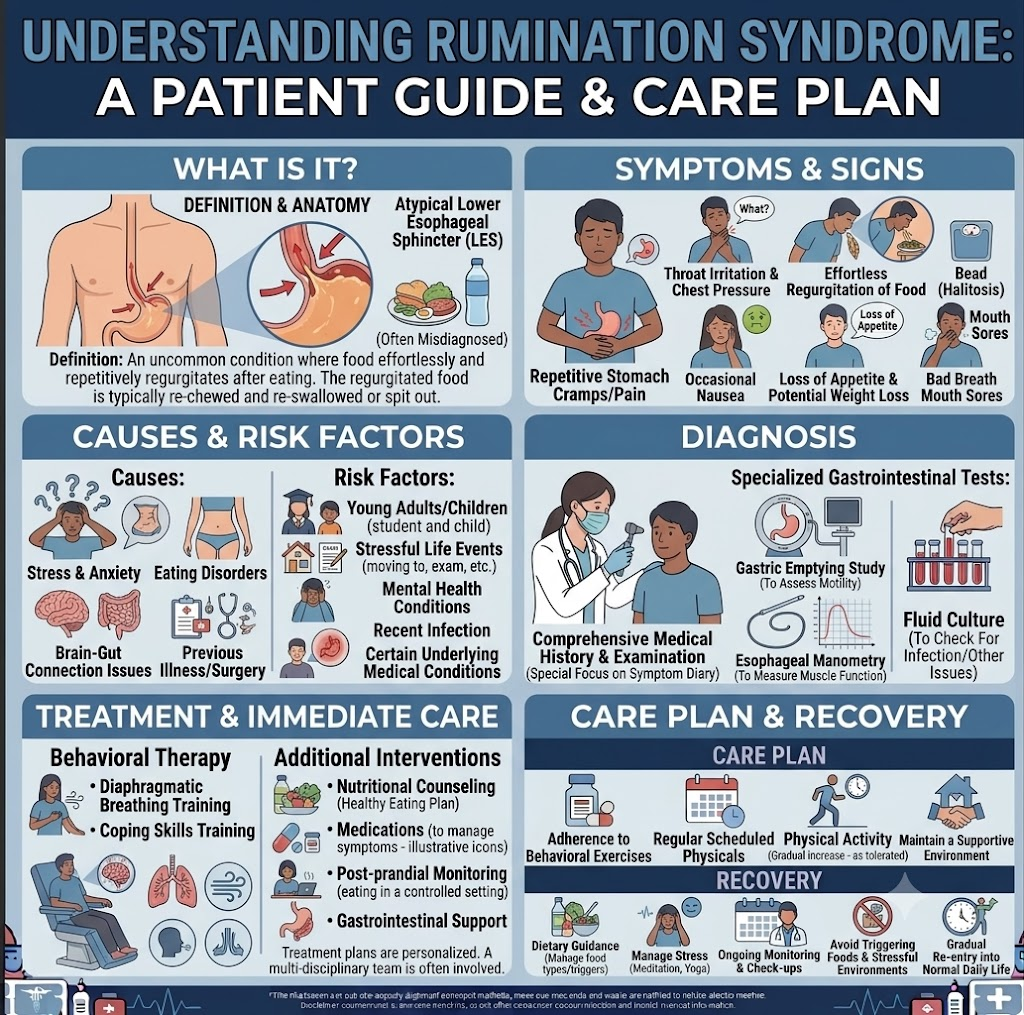
Rumination syndrome is a digestive condition where a person repeatedly brings up food from their stomach, often shortly after eating, without any effort or discomfort. This food is usually undigested or only partially digested, so it typically tastes like regular food and isn't acidic like vomit. Individuals with this condition then chew the food again and either swallow it or spit it out. This process is not intentional; it happens automatically and typically occurs with most meals, soon after eating.
Understanding the Condition
Rumination Syndrome: Understanding Effortless Regurgitation
Understanding the Condition
Rumination syndrome is a digestive condition where a person repeatedly brings up food from their stomach, often shortly after eating, without any effort or discomfort. This food is usually undigested or only partially digested, so it typically tastes like regular food and isn't acidic like vomit. Individuals with this condition then chew the food again and either swallow it or spit it out. This process is not intentional; it happens automatically and typically occurs with most meals, soon after eating.
Common Symptoms
Effortless Regurgitation: Food comes up from the stomach easily, typically within minutes of finishing a meal. This happens without any strain, effort, or nausea, and unlike vomiting, it usually doesn't involve forceful stomach contractions (retching).
Belly Pressure or Discomfort: A feeling of pressure or discomfort in the stomach area that often gets better or goes away after you bring up food.
Feeling of Fullness: A persistent sensation of being full or bloated, even after eating small amounts.
Unintended Weight Loss: Losing weight without trying, which can occur if your body isn't absorbing enough nutrients.
Consultation Guide
Which Specialist to Meet
Before your visit, keep a detailed diary of your symptoms for a few weeks, noting what you eat, when regurgitation occurs, and any other related feelings or physical sensations. List all current medications, supplements, and vitamins you are taking. Prepare a list of questions you have for your doctor to ensure all your concerns are addressed.
Book a doctor visit near me
The doctor will thoroughly review your medical history, asking detailed questions about your symptoms, eating habits, and any related health conditions. A physical examination will also be conducted.
You will answer questions about when and how often you regurgitate food, what it tastes like, and any other symptoms you experience. The doctor will check your abdomen and overall health. This is typically the first step in the diagnostic process.
High-Resolution Esophageal Manometry
A thin tube is gently passed through your nose into your esophagus, similar to manometry. This tube stays in place for 24 hours (or sometimes 48 hours), secured with tape to your cheek. It's connected to a small, portable recorder worn on a belt. You'll go about your normal daily activities, pressing a button on the recorder when you eat, experience symptoms, or lie down. You will also keep a diary of your meals and symptoms during this time. The tube is removed the next day in the clinic.
Acid-Reducing Medications: If rumination causes secondary acid reflux or irritation to the esophagus, medications that reduce stomach acid might be used to protect the esophageal lining and relieve associated symptoms. (Duration: Varies based on the severity of symptoms and doctor's recommendation.)
Medications for Anxiety or Depression: Since rumination syndrome is often linked with anxiety, depression, or other mental health conditions, treating these underlying issues with appropriate medication can sometimes help manage rumination symptoms. (Duration: Long-term management may be required, guided by a specialist.)
Identify and Avoid Triggers: Keep a food and symptom diary to identify specific foods, situations, or emotional states that might trigger rumination. Avoiding these triggers where possible can help prevent episodes.
Regular Physical Activity: Engaging in moderate, consistent exercise can improve overall digestive health, reduce stress levels, and contribute to general wellbeing.
Long-Term Monitoring and Support
Regular Follow-ups with Healthcare Providers: Continue to meet with your doctor to monitor your symptoms, adjust treatment plans as needed, and ensure overall digestive and physical health.
Ongoing Mental Health Support: If you have co-existing anxiety, depression, or other psychiatric conditions, continued support from a therapist or counselor can be crucial for managing both your mental health and rumination symptoms.
Diagnostic Procedures
Start by consulting your primary care doctor. They may then refer you to a gastroenterologist (a doctor specializing in digestive system issues) for diagnosis and treatment. If underlying mental health factors are suspected, a referral to a behavioral health specialist (such as a psychologist or psychiatrist) may also be recommended.
Preparations Before Your Visit
Medical History and Physical Exam
What to Expect
This test measures the strength and coordination of muscle contractions in your esophagus (the tube connecting your mouth to your stomach). It helps identify unusual muscle movements or pressure changes that might contribute to regurgitation.
What to Expect
A thin, flexible tube will be gently passed through your nose, down your throat, and into your esophagus. You might feel a slight gagging sensation as it passes. You'll then be asked to swallow small sips of water while the sensors in the tube record the muscle activity. The test typically takes about 20-30 minutes.
Esophageal Impedance-pH Monitoring
This test measures how often stomach contents flow back into your esophagus (reflux) and whether these contents are acidic or non-acidic. It's crucial for distinguishing rumination syndrome from acid reflux (GERD) or other non-acidic regurgitation events.
What to Expect
Treatment Options
Diaphragmatic Breathing: This therapy teaches you to breathe deeply and slowly from your diaphragm (the large muscle below your lungs) rather than shallowly from your chest. This technique helps relax the diaphragm and surrounding muscles, which can reduce the abdominal pressure that triggers regurgitation. You learn to consciously use this breathing method when you feel food coming up or during meals. (Duration: Typically several weeks of guided sessions with a therapist, followed by ongoing practice at home.)
Habit Reversal Training: This involves identifying the specific actions or habits that lead to rumination and then intentionally replacing them with a different, competing behavior, such as diaphragmatic breathing. It helps you become more aware of triggers and develop new, healthier responses. (Duration: Several weeks of focused therapy sessions.)
Medications
Muscle Relaxants: Certain medications that help relax the muscles in the stomach or esophagus may be prescribed to reduce the involuntary contractions that lead to regurgitation. (Duration: Varies based on individual response and doctor's guidance, often for a few weeks to several months.)
Prevention & Long-Term Wellbeing
Dietary Adjustments (Home Remedies)
Smaller, More Frequent Meals: Eating smaller portions throughout the day instead of large meals can help reduce the feeling of fullness and pressure that might trigger regurgitation. (Duration: Ongoing lifestyle change.)
Mindful Eating Practices: Slowing down while eating, chewing food thoroughly, and paying close attention to your body's signals can improve digestion and potentially reduce triggers for rumination. (Duration: Ongoing lifestyle change.)
Prevention
Stress Management Techniques: Practicing relaxation techniques such as meditation, yoga, or deep breathing can help manage stress and anxiety, which are often linked to rumination syndrome.
Nutritional Counseling: Working with a registered dietitian can help ensure you are meeting your nutritional needs, especially if you have experienced weight loss, fear certain foods, or struggle with maintaining a balanced diet.
Tags & Topics
Notice an error or need an update?
Help us keep medical information accurate. Report incorrect info or suggest an edit.


