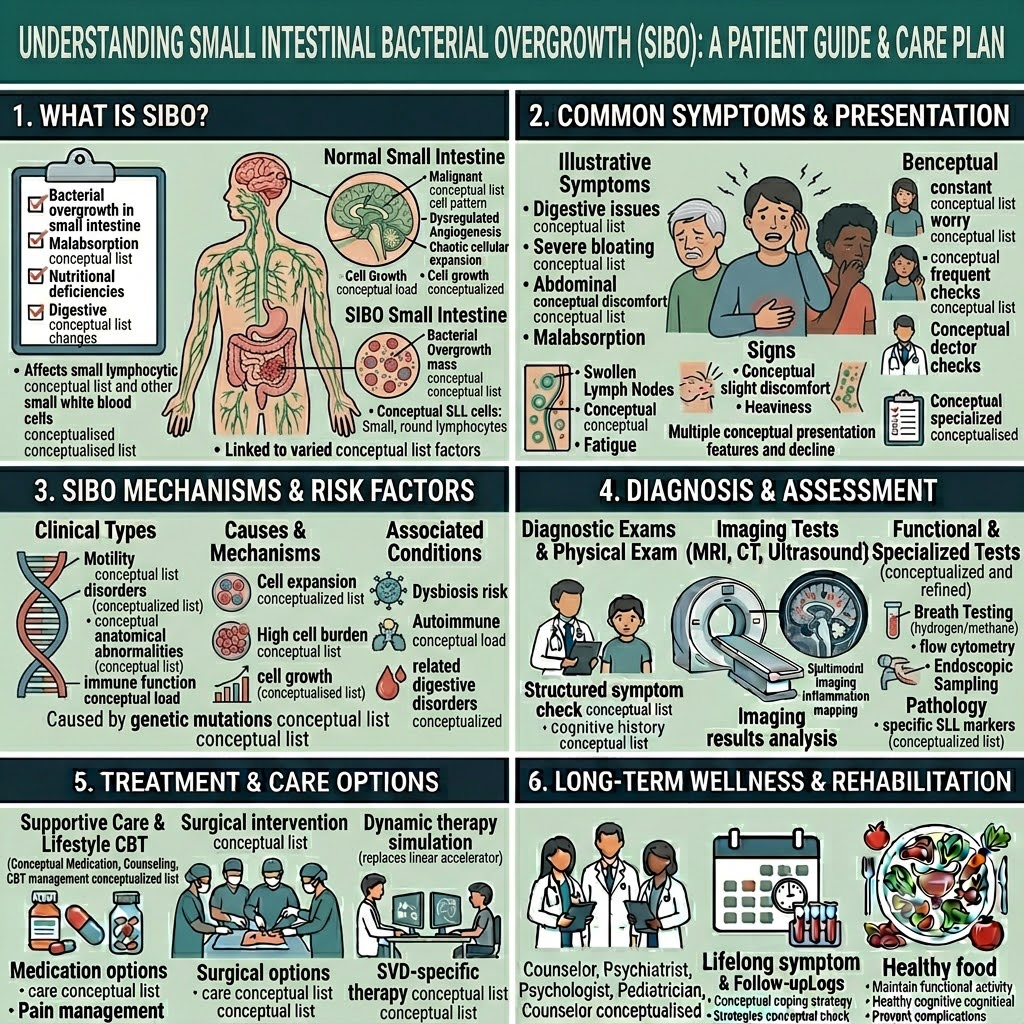
Small Intestinal Bacterial Overgrowth, or SIBO, happens when too many bacteria, especially certain types, grow in your small intestine. This part of your digestive tract is crucial for nutrient absorption. SIBO occurs when something slows down food movement, allowing bacteria to multiply excessively. This overgrowth commonly leads to symptoms like diarrhea, bloating, and gas, potentially causing weight loss and malnutrition. Often linked to stomach surgery, SIBO can also arise from structural problems or certain medical conditions. Treatment typically involves medications, though surgery might be necessary for underlying issues.
Understanding the Condition
Small Intestinal Bacterial Overgrowth, or SIBO, happens when too many bacteria, especially certain types, grow in your small intestine. This part of your digestive tract is crucial for nutrient absorption. SIBO occurs when something slows down food movement, allowing bacteria to multiply excessively. This overgrowth commonly leads to symptoms like diarrhea, bloating, and gas, potentially causing weight loss and malnutrition. Often linked to stomach surgery, SIBO can also arise from structural problems or certain medical conditions. Treatment typically involves medications, though surgery might be necessary for underlying issues.
Common Symptoms
Bloating: A feeling of fullness, tightness, or swelling in the abdomen.
Nausea: Feeling sick to your stomach, sometimes leading to vomiting.
Diarrhea: Frequent, loose, watery bowel movements.
Abdominal Pain: Discomfort or cramping in the stomach area.
Excessive Gas: Increased flatulence or burping.
Unintended Weight Loss: Losing weight without trying, often due to poor nutrient absorption.
Before your appointment, keep a detailed diary of your symptoms, noting their frequency, severity, and any triggers. Prepare a list of all medications, supplements, and vitamins you are currently taking. Also, write down any questions you have for the doctor. You may be asked to fast for a certain period before the visit, especially if diagnostic tests like a breath test are anticipated. Avoid antibiotics, probiotics, and certain medications for a few weeks before testing, as instructed by your doctor.
Book a doctor visit near me
Helps rule out other causes of digestive symptoms like parasitic infections or malabsorption, or assess overall gut health.
Low-FODMAP Diet: Temporarily restricts foods high in fermentable carbohydrates (FODMAPs) that feed gut bacteria and cause gas/bloating. (Duration: Short period (e.g., 2-6 weeks) to relieve symptoms, followed by gradual reintroduction.)
Post-Surgical Monitoring: After abdominal surgery, especially involving the small intestine, follow up closely with your doctors to monitor for and address SIBO symptoms early.
Mindful Eating Practices: Chew food thoroughly, eat slowly, and avoid overeating. These habits aid digestion and proper gut motility, reducing food stagnation.
Long-Term Wellbeing & Monitoring
Regular Follow-ups and Symptom Monitoring: Schedule routine check-ups to monitor symptoms, nutritional status, and digestive health. Report any returning or new symptoms promptly.
Consultation Guide
Malnutrition: Lack of essential vitamins and nutrients because the body can't absorb them properly, leading to weakness and other health issues.
Urgent Advice: If you experience sudden, severe abdominal pain, seek immediate medical attention.
Consultation Guide
Which Specialist to Meet
Diagnostic Procedures
Small Intestinal Bacterial Overgrowth (SIBO)
Understanding the Condition
Hydrogen and Methane Breath Test
Measures hydrogen and methane gases in your breath, produced by small intestinal bacteria fermenting a sugar solution. High levels indicate overgrowth.
What to Expect
You'll fast overnight, drink a specific sugar solution, then provide breath samples at regular intervals over 2-3 hours. Relax during the test.
Small Intestine Fluid Culture
Most accurate test. A fluid sample is taken directly from your small intestine during an endoscopy to identify and count bacteria.
What to Expect
Under sedation, an endoscope (thin, flexible tube with a camera) is guided into your small intestine to collect a sample. Takes 30-60 minutes; a ride home is needed afterward.
Blood Tests for Nutritional Deficiencies
Checks for low levels of essential vitamins (e.g., B12, A, D, E, K) and minerals (e.g., iron), common due to SIBO's poor nutrient absorption. Also identifies anemia or inflammation.
What to Expect
A standard blood sample from your arm; a quick procedure.
What to Expect
Collect a small stool sample at home using a provided container, then return it to the lab.
Abdominal Imaging (X-ray, CT Scan, MRI)
Visualizes digestive tract structure to find abnormalities like narrowing (strictures), abnormal connections (fistulas), or 'blind loops' causing SIBO.
What to Expect
May involve drinking contrast or receiving IV dye. You'll lie still on a table for images. Procedures are painless, lasting 15-60 minutes.
Nutritional Support and Supplements: Addresses vitamin and mineral deficiencies. May include B12 injections, or oral iron, calcium, and fat-soluble vitamins. Severe malnutrition might require temporary intravenous nutrition. (Duration: Ongoing as needed, based on test results.)
Prokinetic Agents: Improve food and waste movement through the digestive tract, preventing stagnation and overgrowth. (Duration: Long-term use may be prescribed to maintain gut motility.)
Treatment Options
Medications
Antibiotic Therapy: Specific antibiotics reduce excessive bacterial population. Follow dosage carefully. (Duration: Typically 1-2 weeks; courses may be repeated or different antibiotics tried.)
Correction of Structural Problems: Surgery to correct physical abnormalities like strictures, fistulas, or 'blind loops' causing SIBO. (Duration: One-time procedure for a long-term solution. Post-operative recovery varies, followed by ongoing monitoring.)
Managing Underlying Conditions: Actively manage chronic conditions (e.g., diabetes, Crohn's, celiac disease) that predispose to SIBO through medications and lifestyle. Regular monitoring is key.
Discuss Probiotic Use: Discuss with your doctor if specific probiotic strains might be beneficial, especially after antibiotic treatment, to help restore healthy gut balance.
Prevention & Long-Term Wellbeing
Begin by consulting your primary care physician. They can provide an initial assessment and refer you to a gastroenterologist, a doctor specializing in digestive system disorders. In some cases, a registered dietitian or nutritionist may also be involved to help manage dietary aspects.
Preparations Before Your Visit
Dietary Changes
Elemental Diet: Consists of pre-digested liquid nutrients, easily absorbed with minimal residue, effectively 'starving' bacteria while providing nutrition. (Duration: Short-term, usually 2-3 weeks, under strict medical supervision.)
Regular, Smaller Meals: Eating smaller portions more frequently aids digestion and encourages efficient food movement, preventing bacterial buildup. (Duration: Ongoing lifestyle adjustment.)
Prevention
Personalized Dietary Adjustments: Work with a dietitian for a personalized eating plan supporting gut health, avoiding triggers, and ensuring nutrient intake without promoting overgrowth.
Nutrient Supplementation (as advised): Continue prescribed vitamin/mineral supplements to prevent or correct deficiencies, particularly B12 and fat-soluble vitamins, common with SIBO.
Tags & Topics
Notice an error or need an update?
Help us keep medical information accurate. Report incorrect info or suggest an edit.


